Nutrition and Hydration for Healthy Skin: Can They Help Prevent Stretch Marks? Stretch marks can appear during some of life's most significant transitions: pregnancy, puberty, muscle growth, weight gain, weight loss, and body composition changes. Because stretch marks involve changes within the deeper structure of the skin, many people understandably wonder whether improving their nutrition …
Nutrition and Hydration for Healthy Skin: Can They Help Prevent Stretch Marks?
Stretch marks can appear during some of life’s most significant transitions: pregnancy, puberty, muscle growth, weight gain, weight loss, and body composition changes.
Because stretch marks involve changes within the deeper structure of the skin, many people understandably wonder whether improving their nutrition and hydration can make the skin more resilient—and potentially reduce their likelihood of developing them.
The answer is nuanced.
A nutrient-rich diet and adequate hydration are important for healthy skin, collagen production, wound healing, and normal cellular function. However, there is currently no specific food, supplement, or amount of water that has been proven to prevent stretch marks completely.
At En Santé Med in McLean, Virginia, we take a comprehensive approach to skin health. Rather than thinking only about what can be applied to the skin after stretch marks appear, we look at the factors that influence the skin’s ability to adapt, repair, and regenerate over time.
Understanding that process can help you make smarter decisions about prevention, skin maintenance, and treatment.
What Are Stretch Marks?
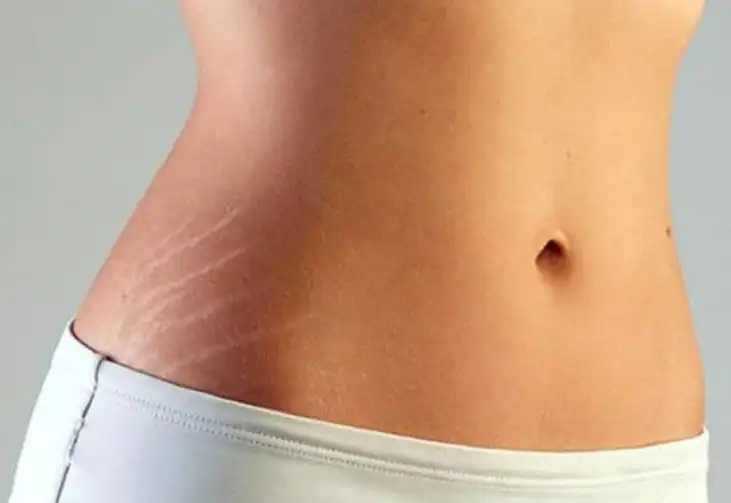
Stretch marks, medically known as striae distensae, are a form of dermal scarring.
They commonly appear as linear streaks on areas such as the:
- Abdomen
- Breasts
- Hips
- Buttocks
- Thighs
- Upper arms
- Lower back
They develop when the skin expands or contracts relatively quickly. This mechanical stress can affect the collagen and elastin network that gives the skin its strength and elasticity.
The American Academy of Dermatology notes that stretch marks frequently develop during pregnancy, puberty, rapid weight changes, and rapid muscle growth. Hormonal factors and genetics also appear to influence who develops them.
This means stretch marks aren’t simply caused by “dry skin.”
They reflect a more complex interaction between skin structure, hormones, genetics, collagen integrity, and mechanical stretching.
Can Nutrition Prevent Stretch Marks?
Nutrition may help support healthy skin, but it can’t completely control whether stretch marks develop.
Research has not established a particular diet as a reliable method of preventing striae. Stretch marks are influenced strongly by factors that food alone cannot change, including genetics, hormonal signaling, pregnancy, age, and how rapidly the skin stretches.
However, good nutrition provides the building blocks the body uses to maintain:
- Collagen synthesis
- Elastin-supporting tissue
- Skin barrier function
- Cellular repair
- Antioxidant defenses
- Wound healing
- Normal inflammatory responses
It may therefore be more accurate to think of nutrition as supporting skin resilience rather than guaranteeing stretch-mark prevention.
That distinction matters.
The Connection Between Collagen and Stretch Marks
Collagen is one of the primary structural proteins in the skin.
Think of collagen as part of the framework that provides tensile strength, while elastin allows tissue to stretch and return toward its original position.
Stretch marks involve disruption and remodeling of this dermal support network.
Because collagen production requires adequate nutrients, maintaining good nutritional status gives the body the raw materials it needs for normal collagen synthesis and tissue repair.
This does not mean eating more collagen will automatically prevent stretch marks.
Instead, it means that healthy collagen metabolism depends on adequate protein, vitamin C, minerals, and overall nutritional health.
7 Nutritional Priorities for Supporting Healthy, Resilient Skin
1. Eat Enough Protein
Collagen itself is a protein.
Your body needs amino acids from dietary protein to build and repair tissues throughout the body, including the skin.
Good protein sources include:
- Fish
- Chicken
- Turkey
- Eggs
- Greek yogurt
- Cottage cheese
- Lentils
- Beans
- Tofu
- Tempeh
People who are intentionally losing weight should pay particular attention to protein intake.
Rapid weight loss combined with inadequate protein may not provide ideal conditions for maintaining muscle mass or supporting healthy skin structure.
At En Santé Med, this is one reason we emphasize body composition, nutrition, resistance training, and skin support early in a weight-loss journey rather than waiting until significant laxity has already occurred.
2. Prioritize Vitamin C
Vitamin C plays an essential role in normal collagen synthesis.
Foods naturally rich in vitamin C include:
- Citrus fruits
- Strawberries
- Kiwi
- Bell peppers
- Broccoli
- Tomatoes
- Brussels sprouts
Rather than relying immediately on supplements, aim for a varied diet that regularly includes vitamin C-rich fruits and vegetables.
3. Include Healthy Dietary Fats
Essential fatty acids contribute to normal skin barrier function.
Sources include:
- Avocado
- Extra-virgin olive oil
- Walnuts
- Chia seeds
- Flaxseed
- Salmon
- Sardines
A well-functioning skin barrier helps reduce excessive moisture loss and contributes to smoother, healthier-feeling skin.
Again, this should not be confused with preventing structural stretch marks within the dermis.
Healthy skin and stretch-mark prevention aren’t exactly the same thing.
4. Eat Antioxidant-Rich Foods
Normal metabolism, ultraviolet exposure, environmental pollutants, and other stressors can contribute to oxidative stress.
A varied plant-rich diet supplies antioxidants and phytonutrients that support overall cellular health.
Consider including foods such as:
- Blueberries
- Blackberries
- Pomegranates
- Leafy greens
- Tomatoes
- Cruciferous vegetables
- Herbs
- Nuts
Rather than searching for a single “superfood for stretch marks,” focus on dietary variety.
5. Don’t Overlook Zinc
Zinc participates in protein synthesis, wound healing, and many enzymatic processes.
Dietary sources include:
- Meat
- Shellfish
- Pumpkin seeds
- Legumes
- Nuts
- Dairy products
True nutrient deficiencies can affect skin health, but taking excessive zinc isn’t beneficial and can create other nutritional imbalances.
Supplementation should therefore be individualized when appropriate.
6. Avoid Severe Caloric Restriction
People undergoing aggressive dieting sometimes focus almost entirely on weight reduction while paying much less attention to nutritional adequacy.
This can be counterproductive.
Very restrictive diets may make it difficult to consume adequate:
- Protein
- Essential fatty acids
- Vitamins
- Minerals
- Fiber
For patients pursuing significant weight loss, particularly with GLP-1-based medical weight management, protecting lean muscle mass and supporting skin quality should begin early.
Gradual body composition improvement, appropriate protein intake, resistance training, and proactive skin-support strategies may provide a better foundation than simply trying to correct loose or compromised skin afterward.
7. Maintain a Relatively Stable Rate of Body Change When Possible
One of the clearest associations with stretch marks is rapid tissue expansion or contraction.
Stretch marks commonly develop during rapid growth, pregnancy, weight gain, weight loss, or accelerated muscle growth.
Not every body change can—or should—be slowed.
Pregnancy and adolescent growth, for example, follow their own biology.
But when weight loss or muscle gain is intentional, a well-designed program that avoids unnecessary extremes may be beneficial for both metabolic health and skin appearance.
Does Drinking More Water Prevent Stretch Marks?
Hydration is important for health, but drinking large amounts of water has not been proven to prevent stretch marks.
This is another area where online wellness advice often gets ahead of the evidence.
A systematic review examining dietary water intake and skin hydration found that additional water intake may modestly improve skin hydration—particularly in people whose water intake was previously low—but the overall evidence was limited.
Another study examining stretch marks during pregnancy did not find water consumption to be a significant predictor of whether stretch marks developed.
So while adequate hydration is good for normal physiological function and can help dry skin look and feel better, drinking extra water isn’t a proven strategy for preventing structural dermal scars.
A Better Way to Think About Hydration
Water supports:
- Normal cellular metabolism
- Circulation
- Temperature regulation
- Normal tissue function
- Skin barrier health
Being chronically dehydrated isn’t desirable.
But once you’re adequately hydrated, continuously drinking additional water shouldn’t be expected to make the skin indefinitely more elastic.
Hydration supports healthy skin.
It isn’t a stretch-mark treatment.
Can Moisturizers Prevent Stretch Marks?
Moisturizers can make skin feel softer and reduce dryness or itching.
However, popular products such as cocoa butter, olive oil, almond oil, and vitamin E haven’t consistently been shown to prevent stretch marks.
The American Academy of Dermatology reports that research has not demonstrated reliable stretch-mark prevention from several of these commonly recommended remedies. Some evidence suggests ingredients such as Centella asiatica or hyaluronic acid may be helpful, but prevention remains unpredictable.
A Cochrane review examining topical preparations during pregnancy similarly found insufficient high-quality evidence showing that topical creams and oils reliably prevent stretch marks.
Moisturizing is still worthwhile for comfort and skin-barrier support.
Just don’t confuse moisturized skin with guaranteed stretch-mark prevention.
Pregnancy, Nutrition, and Stretch Marks
Pregnancy is one of the most common times for stretch marks to develop.
Multiple factors converge:
- Rapid abdominal expansion
- Breast enlargement
- Hormonal changes
- Genetic susceptibility
- Changes in body weight
Good pregnancy nutrition remains extremely important for maternal and fetal health, but there is no scientifically established “stretch-mark diet.”
The goal should therefore be appropriate nutrition and weight management based on obstetric guidance, not restrictive eating in an attempt to prevent stretch marks.
Pregnant patients should also speak with their physician before using supplements, prescription retinoids, or cosmetic treatments.
What About Collagen Supplements?
Collagen peptides have become extremely popular for skin, hair, and joint health.
Some research suggests oral collagen peptides may improve certain measurements of skin hydration or elasticity.
That does not establish that collagen supplements prevent stretch marks.
The two questions are different.
If someone chooses to use collagen peptides as part of an overall nutrition program, they should be considered a supplement—not a substitute for adequate dietary protein or a guaranteed method of preventing striae.
Can Stretch Marks Be Prevented Completely?
Unfortunately, probably not.
Genetics may play an important role in determining how your skin responds to mechanical stretching.
Hormones, pregnancy, age, body composition changes, and the speed at which tissue expands can all contribute.
Two people may experience almost identical weight changes and have very different outcomes.
One develops extensive stretch marks.
The other develops very few.
This is why responsible stretch-mark prevention should focus on risk reduction and skin support rather than promises.
Early Stretch Marks vs. Mature Stretch Marks
Stretch marks change over time.
Early Stretch Marks: Striae Rubrae
Newer stretch marks may appear:
- Red
- Pink
- Purple
- Reddish-brown
- Dark brown
These are often called striae rubrae.
They may respond more favorably to treatment because they are still in an active remodeling phase.
Mature Stretch Marks: Striae Albae
Over time, stretch marks often become:
- White
- Silvery
- Lighter than the surrounding skin
- Slightly depressed
These mature lesions are called striae albae.
They can still be treated, but mature stretch marks often require a more deliberate collagen-remodeling strategy.
When Nutrition Isn’t Enough: Treating Existing Stretch Marks
Once a stretch mark has formed, improving nutrition alone isn’t likely to erase it.
Stretch marks are a form of dermal scar.
Treatment therefore focuses on stimulating remodeling within the tissue.
Modern options can include:
- Fractional laser resurfacing
- Er laser treatments
- Non-ablative laser therapy
- RF microneedling
- Microneedling
- Combination regenerative treatments
Recent systematic reviews continue to support the role of laser and energy-based procedures in improving the appearance of striae, although no treatment can promise complete removal.
En Santé Med’s Approach to Stretch Mark Treatment in McLean, VA
At En Santé Med, we approach stretch marks as a problem of tissue architecture and regeneration, not simply surface discoloration.
Our goal is to evaluate:
- Whether stretch marks are new or mature
- Their depth and texture
- Skin tone
- Location
- Degree of laxity
- Associated scarring
- Recent pregnancy or weight change
- Ongoing weight-loss goals
- Overall skin quality
Treatment can then be customized rather than applying the same protocol to every patient.
Depending on the individual, a treatment plan may incorporate Fotona laser technology, fractional ER resurfacing, collagen-stimulating procedures, or regenerative strategies designed to improve texture and encourage dermal remodeling.
Why Laser Treatment Can Help
Laser-based treatment targets a fundamentally different problem than moisturizers or nutrition.
Rather than simply hydrating the skin surface, appropriately selected laser energy can stimulate a controlled healing response within the skin.
This may encourage:
- Collagen remodeling
- New collagen formation
- Improved skin texture
- Smoother transitions between stretch marks and surrounding skin
- Gradual improvement in the visibility of striae
The objective isn’t to make unrealistic promises that the marks will disappear completely.
It is to create meaningful improvement in texture, tone, and overall skin quality.
A Proactive Strategy for Patients Losing Significant Weight
Stretch marks and skin laxity are especially relevant for patients undergoing significant intentional weight loss.
En Santé Med’s philosophy is to think about the skin at the beginning of the weight-loss process—not only after the weight is gone.
For appropriate patients, this may mean combining:
Nutrition + protein optimization + resistance training + gradual weight management + proactive collagen stimulation.
This approach recognizes an important reality:
Your metabolism, muscles, and skin are all responding to the same transformation.
Supporting them together often makes more sense than treating each in isolation.
What Foods Are Best for Healthy Skin?
For most people, there isn’t one perfect “skin diet.”
A skin-supportive eating pattern generally emphasizes:
Protein: eggs, poultry, fish, yogurt, beans, tofu
Vitamin C: berries, citrus, peppers, broccoli, kiwi
Healthy fats: salmon, avocado, nuts, olive oil
Antioxidants: colorful fruits, vegetables, herbs, leafy greens
Zinc and minerals: seafood, meat, seeds, beans, dairy
Hydration: sufficient fluid intake based on individual needs
Think in terms of a pattern rather than a miracle ingredient.
Can drinking more water prevent stretch marks?
No. Adequate hydration supports normal skin function and may improve dryness, but drinking extra water hasn’t been proven to prevent stretch marks.
What foods prevent stretch marks?
No specific food has been proven to prevent stretch marks. A nutrient-rich diet containing adequate protein, vitamin C, healthy fats, zinc, and antioxidants supports healthy skin and normal collagen production.
Does collagen prevent stretch marks?
Collagen is important for skin structure, but there isn’t enough evidence to say that collagen supplements prevent stretch marks.
Can you completely stop stretch marks from forming?
Not always. Genetics, hormonal changes, pregnancy, puberty, rapid weight changes, and muscle growth all influence stretch-mark development.
What is the best treatment for existing stretch marks?
Treatment depends on the age, color, depth, location, and characteristics of the stretch marks. Fractional laser resurfacing, other laser technologies, microneedling, and radiofrequency-based treatments may improve their appearance.
Where can I get stretch mark treatment near McLean, Virginia?
En Santé Med provides individualized skin-remodeling and laser treatment consultations for patients from McLean, Great Falls, Tysons, Reston, Arlington, Northern Virginia, and the greater Washington, DC area.
Frequently Asked Questions About Nutrition and Stretch Marks
Can dehydration cause stretch marks?
Dehydration alone isn’t considered a primary cause of stretch marks. Stretch marks are more closely associated with rapid skin stretching, hormonal influences, genetics, pregnancy, growth, and body composition changes.
Does vitamin C help prevent stretch marks?
Vitamin C is required for normal collagen synthesis and supports healthy skin. However, increasing vitamin C intake hasn’t been proven to guarantee stretch-mark prevention.
Does vitamin E prevent stretch marks?
Despite its popularity, vitamin E hasn’t consistently been shown to prevent stretch marks. The AAD notes that studies involving vitamin E-containing home remedies have not demonstrated reliable prevention.
Does cocoa butter prevent stretch marks?
Research hasn’t shown cocoa butter to reliably prevent stretch marks.
Does losing weight make stretch marks disappear?
Not necessarily. Weight loss may make some stretch marks less prominent, but it can also make skin laxity more noticeable. Existing stretch marks represent structural changes within the dermis and typically don’t disappear simply because weight is lost.
Can stretch marks be treated after pregnancy?
Yes. Once pregnancy and breastfeeding considerations are appropriately addressed, several treatments may be considered depending on the age and characteristics of the stretch marks.
Are newer stretch marks easier to treat?
Often, yes. Early red or purple stretch marks may respond differently from older white or silvery stretch marks. Earlier assessment may therefore provide more treatment options.
Can laser treatment remove stretch marks completely?
No responsible treatment should promise complete removal. Laser treatments can improve the appearance, texture, and sometimes pigmentation of stretch marks by stimulating tissue remodeling.
The Bottom Line: Nourish Your Skin, but Keep Expectations Realistic
Good nutrition and hydration matter.
They support collagen synthesis, normal skin function, cellular repair, and overall health.
But healthy eating and drinking more water cannot guarantee that you won’t develop stretch marks.
The most useful approach is broader:
Support your skin nutritionally.
Avoid unnecessarily rapid weight fluctuations when possible.
Maintain muscle through resistance training.
Protect your skin from excessive UV damage.
And address stretch marks early when they begin to appear.
If stretch marks are already present, today’s regenerative and laser technologies provide options that go well beyond creams and oils.
Stretch Mark Treatment at En Santé Med
If you’re noticing new stretch marks or want to improve older stretch marks after pregnancy, weight loss, puberty, muscle gain, or body composition changes, En Santé Med can develop a personalized treatment strategy based on the condition of your skin rather than using a one-size-fits-all protocol.
Schedule a consultation with En Santé Med in McLean, Virginia to explore advanced laser and regenerative options for improving stretch marks, skin texture, and overall skin quality.
Individual results vary. Stretch marks cannot always be prevented or completely removed. Treatment recommendations depend on medical history, skin type, pregnancy or breastfeeding status, and the characteristics of the stretch marks.