Widening Hair Part In Women: hy Is My Hair Part Getting Wider? 9 Important Causes of Hair Thinning in Women A Physician-Guided Guide to Female Hair Loss, Hormonal Changes, and Modern Hair Restoration at En Santé Med in McLean, Virginia Have you recently looked in the mirror and wondered, “Why is my hair part getting …
Widening Hair Part In Women: hy Is My Hair Part Getting Wider? 9 Important Causes of Hair Thinning in Women
A Physician-Guided Guide to Female Hair Loss, Hormonal Changes, and Modern Hair Restoration at En Santé Med in McLean, Virginia
Have you recently looked in the mirror and wondered, “Why is my hair part getting wider?”
Perhaps you’ve noticed more scalp showing when you style your hair. Maybe your ponytail feels thinner, your hair doesn’t hold its usual volume, or your middle part seems noticeably wider in photographs.
For many women, these subtle changes are among the earliest signs of hair thinning.
A widening hair part in women can occur for several reasons, including genetics, hormonal changes, nutritional deficiencies, stress, thyroid disorders, and certain medications. Sometimes the cause is temporary. In other cases, it signals a progressive condition that benefits from early treatment.
Hair thinning is especially common during major life transitions, including postpartum recovery, perimenopause, menopause, and significant weight loss.
The encouraging news? Not all hair loss is permanent, and many forms of female hair thinning can be treated or managed effectively.
At En Santé Med in McLean, Virginia, our physician-led approach to women’s wellness recognizes that hair health is often connected to broader changes in hormonal, metabolic, and nutritional health.
Rather than treating thinning hair as an isolated cosmetic concern, we emphasize identifying possible contributing factors and considering appropriate, individualized solutions.
In this guide, we’ll explain the nine most common reasons your hair part may be getting wider, how doctors investigate female hair loss, and which evidence-based and emerging treatments may help support healthier hair.
Understanding Why Your Hair Part Is Getting Wider
What Does a Widening Hair Part Mean?
A widening hair part occurs when the hair surrounding your natural part becomes less dense, thinner, or both.
Normally, thousands of overlapping hair strands help conceal the scalp. As hair density decreases, more scalp becomes visible between those strands.
This change may happen gradually over several years or become noticeable within a few months.
One of the most common explanations is female pattern hair loss, medically known as female pattern alopecia or androgenetic alopecia.
Unlike typical male pattern baldness, which often begins with a receding hairline, female pattern hair loss frequently appears as gradual thinning along the center part and crown.
However, a widening part doesn’t automatically mean that you have hereditary hair loss.
It can also develop when excessive shedding temporarily reduces overall hair density.
The Difference Between Hair Shedding and Hair Thinning
Although the terms are often used interchangeably, hair shedding and hair thinning aren’t exactly the same.
Hair shedding occurs when more hairs than usual leave the scalp during the resting phase of the growth cycle.
Hair thinning refers to a reduction in overall hair density or hair-shaft thickness.
A person experiencing excessive shedding may notice more hair in the shower, on clothing, or in a hairbrush.
Someone experiencing progressive thinning may notice very little additional shedding but still see more scalp over time.
| Hair shedding | Progressive hair thinning |
| Often begins suddenly | Usually develops gradually |
| More hair falls out daily | Hair strands become finer or less dense |
| May follow illness, stress, or weight loss | Common with female pattern hair loss |
| Often improves when the trigger resolves | May progress without treatment |
| May affect the entire scalp | Often noticeable along the part and crown |
Importantly, these conditions can occur together.
For example, a woman may have mild hereditary thinning that becomes much more noticeable after experiencing stress-related shedding.
Understanding the Hair Growth Cycle
Hair grows through several repeating phases.
Anagen: Active growth
During this phase, hair follicles produce new hair. Scalp hair may remain in this growth phase for several years.
Catagen: Transition
Hair growth slows as the follicle enters a short transitional period.
Telogen: Resting
The follicle temporarily stops producing an actively growing hair shaft.
Exogen: Shedding
The resting hair is released, making room for another hair-growth cycle.
When this cycle becomes disrupted, changes in hair density may appear.
In female pattern hair loss, the growth phase can shorten while affected follicles gradually produce smaller, finer hairs.
This process is called follicular miniaturization.
Over time, long, thick hairs may be replaced by shorter, thinner strands that provide less scalp coverage.
Early Signs You Shouldn’t Ignore
A widening middle part is only one possible sign of female hair thinning.
Other early indicators include:
- A ponytail that feels smaller than before
- Increased scalp visibility under bright lighting
- Less volume around the crown
- Hair that feels unusually fine or fragile
- Greater difficulty maintaining hairstyles
- More visible thinning near the temples
- Increased shedding during washing or brushing
Many women first notice these changes in photographs because overhead lighting makes the scalp easier to see.
A useful strategy is to take consistent photographs every four to six weeks using the same lighting, hairstyle, and camera angle.
This can help you distinguish genuine progression from normal day-to-day differences in appearance.
Although aging contributes to changes in hair quality, a progressively widening hair part shouldn’t automatically be dismissed as a normal part of getting older.
Identifying the cause is the first step toward protecting remaining hair density.
9 Common Causes of a Widening Hair Part in Women
A widening hair part in women can have several underlying causes. Some develop slowly, while others follow a specific medical or lifestyle event.
Understanding these differences helps determine whether the most appropriate intervention involves treating a medical condition, restoring nutritional balance, managing hormones, or directly supporting the hair follicles.
1. Female Pattern Hair Loss (Androgenetic Alopecia)
Female pattern hair loss is the most common cause of progressive hair thinning in women.
It typically develops when genetically susceptible hair follicles gradually become smaller.
These follicles produce increasingly fine hairs, causing the scalp to become more visible.
Common features include:
- A progressively widening center part
- Reduced density over the crown
- Finer hair strands
- Gradual loss of volume
- Relative preservation of the frontal hairline
Genetics plays an important role, but a family history isn’t always obvious.
Some women develop the condition even when their mothers or sisters appear to have thick hair.
Female pattern hair loss can begin in early adulthood, although it becomes more common with increasing age.
Why early treatment matters: Once follicles have undergone significant miniaturization, restoring density becomes more difficult. Early intervention can help preserve existing hair and may improve regrowth.
2. Perimenopause and Menopause
Hormonal transitions are another important reason women notice changes in hair density.
During perimenopause, estrogen levels fluctuate before declining more consistently after menopause.
These changes may alter the hair-growth environment and make genetically susceptible follicles more vulnerable to thinning.
Women may notice:
- A widening middle part
- Reduced hair volume
- More fragile strands
- Changes in hair texture
- Increased dryness or breakage
Estrogen influences the hair cycle, but female pattern hair loss is not simply caused by low estrogen.
Genetics, follicular sensitivity to androgens, aging, and other health factors can all contribute.
Importantly, menopausal hormone therapy is not an established primary treatment for female pattern hair loss.
At En Santé Med, the broader wellness assessment can help place hair changes in the context of other symptoms, such as sleep disturbances, menstrual changes, and metabolic concerns.
3. Thyroid Disorders
Both an underactive thyroid and an overactive thyroid can contribute to diffuse hair thinning.
Thyroid hormones help regulate metabolism and normal hair-follicle activity.
When thyroid function becomes abnormal, more hair follicles may shift into a resting or shedding phase.
Hair loss associated with thyroid dysfunction is often spread across the scalp rather than isolated to the center part.
Additional symptoms may include fatigue, unexplained weight changes, temperature intolerance, or changes in bowel habits.
A clinician may recommend thyroid testing when symptoms or medical history suggest a thyroid-related cause.
4. Iron Deficiency and Other Nutritional Problems
Hair follicles are metabolically active structures that require adequate nutritional support.
Low iron stores, particularly when associated with iron deficiency or anemia, can contribute to excessive shedding.
Other factors may include inadequate protein intake and deficiencies in certain vitamins or minerals.
Women with heavy menstrual bleeding, restrictive diets, recent bariatric surgery, or substantial weight loss may have an increased risk of nutritional deficiencies.
However, taking hair supplements without identifying a deficiency isn’t always helpful.
Excessive supplementation with certain nutrients, including selenium and vitamin A, can actually worsen hair loss.
The goal is to identify and correct genuine nutritional problems rather than assume that every case of thinning hair is caused by a vitamin deficiency.
5. Chronic Stress and Telogen Effluvium
Major physical or emotional stress can temporarily disrupt the hair-growth cycle.
This condition is called telogen effluvium.
It often begins approximately two to three months after a triggering event.
Common triggers include:
- Major illness or fever
- Surgery or hospitalization
- Significant psychological stress
- Sudden dietary restrictions
- Rapid weight loss
- Childbirth
- Certain medications
Telogen effluvium usually causes diffuse shedding rather than isolated thinning along the part.
However, the loss of overall density can make an existing widening hair part more noticeable.
Many cases improve over several months after the underlying trigger resolves, although recovery may take longer.
6. GLP-1 Medications and Rapid Weight Loss
Women using GLP-1–based medications, such as semaglutide or tirzepatide, may notice increased hair shedding during periods of substantial weight loss.
This doesn’t necessarily mean the medication directly damages hair follicles.
Rapid weight loss, inadequate protein intake, nutritional deficiencies, and metabolic stress can contribute to telogen effluvium.
For women participating in medically supervised weight-management programs, monitoring nutritional intake is particularly important.
Practical measures include maintaining adequate protein consumption, avoiding unnecessarily restrictive diets, and assessing nutritional status when shedding becomes significant.
Hair loss shouldn’t automatically prompt discontinuation of a prescribed weight-loss medication. Instead, discuss the symptoms with your treating clinician.
7. Postpartum Hair Loss
After pregnancy, changing estrogen levels can cause a larger number of hair follicles to enter the shedding phase.
Postpartum shedding often becomes noticeable a few months after delivery.
Although it can feel alarming, it is usually temporary.
Most women gradually regain their usual hair density over time.
However, if thinning persists, worsens, or becomes concentrated along the part, evaluation may be appropriate to exclude other conditions such as iron deficiency, thyroid dysfunction, or female pattern hair loss.
8. Polycystic Ovary Syndrome and Androgen Excess
Polycystic ovary syndrome (PCOS) can contribute to hair thinning in some women.
PCOS may be associated with elevated androgen levels or increased follicular sensitivity to androgens.
Possible accompanying symptoms include:
- Irregular menstrual cycles
- Persistent adult acne
- Increased facial or body hair
- Difficulty with weight management
- Scalp hair thinning
Not every woman with PCOS experiences hair loss, and not every woman with female pattern hair loss has PCOS.
Hormonal testing is most useful when symptoms or examination findings suggest androgen excess.
9. Traction Alopecia, Scalp Inflammation, and Scarring Conditions
Not all hair thinning originates from hormonal or nutritional changes.
Repeated tension from tight braids, ponytails, extensions, or other hairstyles can contribute to traction alopecia.
Hair loss may initially occur around the hairline or areas exposed to the greatest pulling force.
Inflammatory scalp diseases can also damage follicles.
Conditions such as lichen planopilaris, frontal fibrosing alopecia, and central centrifugal cicatricial alopecia require careful evaluation because they can cause permanent follicular destruction.
Warning signs include scalp tenderness, burning, redness, pustules, prominent scaling, or areas where follicular openings are no longer visible.
These symptoms warrant prompt dermatologic evaluation rather than cosmetic hair stimulation alone.
How Doctors Diagnose a Widening Hair Part
One of the most important steps in treating female hair loss is determining its underlying cause.
Two women may have nearly identical patterns of visible thinning but require very different treatments.
One may have progressive hereditary follicle miniaturization. Another may be experiencing temporary shedding after illness or weight loss.
A third may have an inflammatory scalp disorder requiring specialized dermatologic care.
This is why a proper evaluation is more useful than immediately purchasing expensive shampoos, supplements, or hair-growth devices.
Step 1: Review Medical and Hormonal History
A clinician may ask when the thinning began and whether it developed gradually or suddenly.
Other important questions include whether you’ve experienced recent illness, pregnancy, substantial weight loss, new medications, dietary changes, or significant stress.
Menstrual history may also be relevant.
For women approaching menopause, the timing of hair changes relative to other symptoms can help inform the overall assessment.
A family history of hair thinning may provide additional clues, although it isn’t required for a diagnosis of female pattern hair loss.
Step 2: Examine the Scalp and Hair Follicles
A detailed scalp examination helps distinguish different types of alopecia.
Clinicians may assess hair density, shaft diameter, scalp inflammation, and the distribution of thinning.
Trichoscopy, which uses magnification to examine the scalp and hair shafts, can reveal findings such as hair-shaft diameter variation and miniaturized hairs.
These findings can help support a diagnosis of female pattern hair loss.
A hair-pull test may also be performed to assess active shedding.
When the diagnosis is uncertain, particularly if scarring alopecia is suspected, a dermatologist may recommend a scalp biopsy.
Step 3: Consider Targeted Laboratory Testing
Blood tests can be helpful when clinical findings suggest a medical or nutritional cause.
| Test | Clinical purpose |
| Complete blood count | Assess anemia or other blood abnormalities |
| Ferritin and iron studies | Evaluate possible iron deficiency |
| TSH, with additional thyroid tests as indicated | Assess thyroid dysfunction |
| Vitamin B12 | Consider when dietary or clinical risk factors exist |
| Vitamin D | Consider when deficiency is suspected |
| Zinc | Evaluate when nutritional risk or symptoms justify testing |
| Total/free testosterone and possibly DHEA-S | Investigate signs of androgen excess |
| Other hormone or metabolic testing | Based on menstrual history, symptoms, and examination |
Not every woman needs every test.
For example, routine androgen testing is not necessary for all patients with a widening hair part.
Likewise, isolated estrogen or progesterone measurements generally cannot establish the cause of female pattern hair loss.
Laboratory studies should be guided by the medical history and clinical examination.
Step 4: Determine Whether the Hair Loss Is Reversible
Some causes of hair thinning are temporary.
When shedding follows illness, childbirth, or a nutritional deficit, hair density may gradually recover after the underlying problem improves.
Other conditions, such as female pattern hair loss, are chronic and benefit from ongoing treatment.
Scarring alopecias require particularly prompt evaluation because destroyed follicles may not recover.
A careful diagnosis therefore helps set realistic expectations.
When Should You Seek Medical Attention?
Consider medical evaluation if your hair part continues to widen, your ponytail is noticeably smaller, or shedding persists beyond several weeks.
Seek prompt assessment if hair loss is accompanied by:
- Scalp pain, burning, or significant inflammation
- Rapidly appearing bald patches
- Crusting, pustules, or scarring
- Sudden, severe hair loss
- Other concerning systemic symptoms
When a scarring or autoimmune disorder is possible, referral to a dermatologist with expertise in hair disorders is especially important.
Early identification can protect follicles that may still be viable.
Best Treatments for Hair Thinning in Women: From Medical Therapy to Regenerative Hair Restoration
The best treatment for a widening hair part depends on the diagnosis.
There is no single therapy that works equally well for hereditary thinning, stress-related shedding, nutritional deficiencies, and inflammatory scalp disorders.
For many women, a successful plan combines management of contributing medical conditions with treatments directed toward the hair follicles themselves.
1. Topical Minoxidil: A Well-Established Treatment
Topical minoxidil is among the best-studied treatments for female pattern hair loss.
It can help extend the active growth phase and support hair regrowth in suitable patients.
Benefits may include improved hair density, reduced progression, and thicker-looking hair over time.
However, results require consistency.
Some users experience increased shedding early in treatment, and visible improvement typically takes several months.
Continued use is generally necessary to maintain the benefits.
Topical minoxidil can also cause scalp irritation or unwanted facial hair growth.
Women who are pregnant, planning pregnancy, or breastfeeding should obtain medical guidance before using hair-loss medication.
2. Prescription Medical Treatments
Depending on the diagnosis, a clinician may consider prescription treatments such as spironolactone or low-dose oral minoxidil.
Spironolactone is sometimes used off-label for women with androgen-related pattern hair loss.
Low-dose oral minoxidil is also prescribed off-label in selected patients.
These treatments require individualized evaluation because they may cause adverse effects and aren’t suitable for everyone.
Potential considerations include blood pressure, fluid retention, electrolyte changes, medication interactions, and pregnancy-related risks.
Some women may benefit from a combination of treatments, but the decision should be based on medical history and diagnosis.
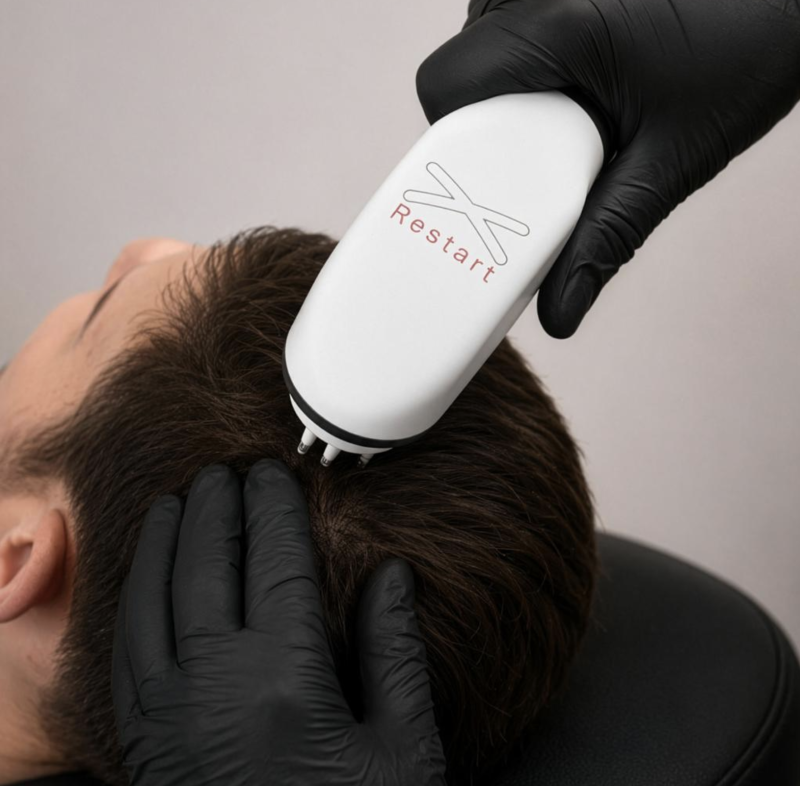
3. Fotona HairRestart: Non-Invasive Laser Hair Stimulation
For women interested in non-injectable hair restoration, laser-based treatments are an area of growing clinical interest.
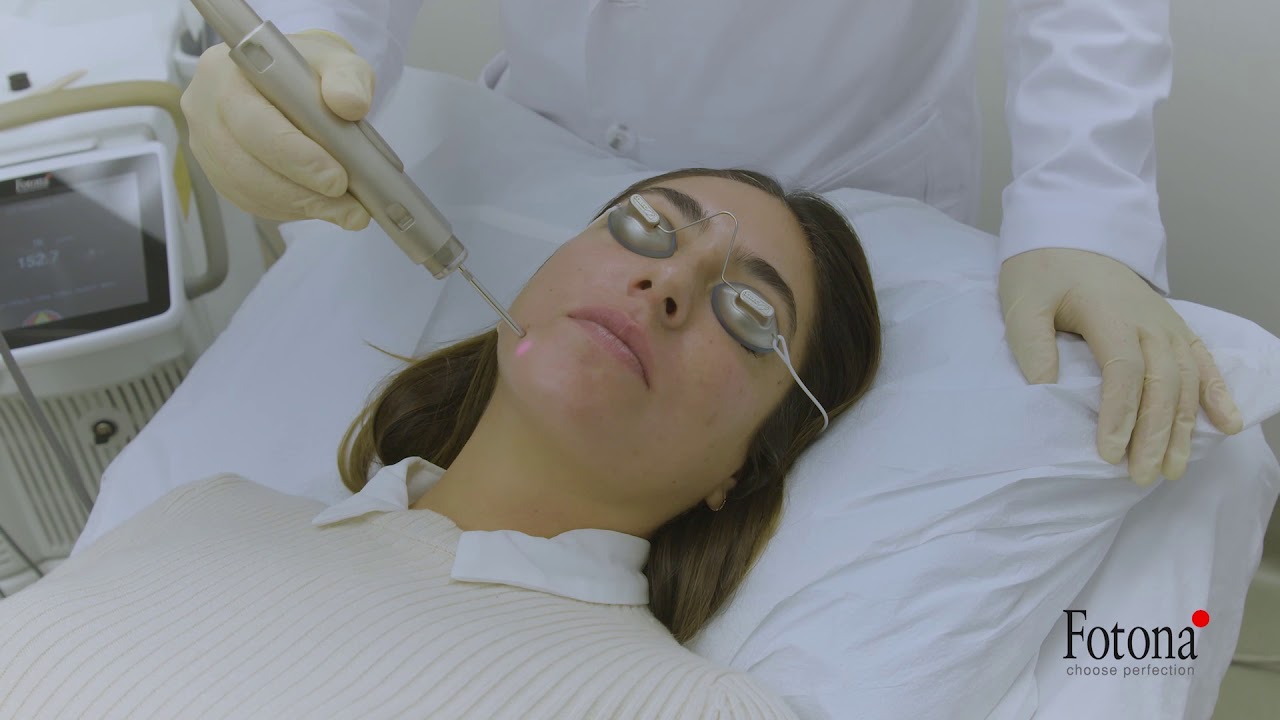
At En Santé Med, Fotona HairRestart is an available laser hair stimulation approach that may be considered as part of an individualized hair restoration plan.
HairRestart uses a Fotona laser protocol intended to stimulate the scalp and hair follicles through controlled energy delivery.
The goal is to support biological processes involved in hair growth without surgically transplanting follicles.
It is important to distinguish HairRestart from commonly studied low-level laser therapy devices.
Low-level light therapy typically uses low-power red or near-infrared light. Fotona HairRestart employs a different laser approach, so research findings from one technology cannot automatically be applied to the other.
Research into laser and light-based treatments for androgenetic alopecia is promising, but the strength of evidence varies by device, wavelength, protocol, and patient population.
Potential reasons a patient may consider laser hair stimulation include:
- Preference for a non-surgical approach
- Interest in avoiding injections
- Desire for a treatment with limited interruption to daily activities
- Interest in an adjunct to established medical therapy
- Early-stage thinning with viable hair follicles
However, laser hair stimulation isn’t guaranteed to restore hair density.
It is not an appropriate substitute for medical treatment of thyroid disease, nutrient deficiencies, or inflammatory and scarring scalp conditions.
Patients should discuss expected benefits, uncertainty, number of sessions, and maintenance requirements before beginning treatment.
4. Platelet-Rich Plasma (PRP) for Female Hair Loss
Platelet-rich plasma therapy uses a concentrated preparation of platelets obtained from the patient’s own blood.
Platelets contain growth factors involved in tissue repair and cell signaling.
For hair restoration, PRP is injected into selected areas of the scalp with the aim of improving hair density and supporting follicle activity.
Clinical studies suggest PRP may benefit some patients with androgenetic alopecia, although treatment protocols and study quality vary.
PRP is not FDA-approved specifically as a treatment for hair loss, and preparation methods differ among clinics.
Some patients prefer PRP because it uses material derived from their own blood.
However, this doesn’t eliminate risks such as discomfort, bruising, infection, or inconsistent results.
PRP should be considered in the context of an appropriate diagnosis and realistic treatment goals.
5. Exosomes, Growth Factors, and Other Emerging Regenerative Treatments
Interest in regenerative hair restoration has expanded considerably.
Products involving extracellular vesicles, exosomes, growth factors, and other biologically active materials are being investigated for their possible effects on follicle signaling and scalp health.
Although preliminary research is scientifically interesting, these approaches remain investigational for hair regrowth.
In the United States, there are currently no FDA-approved exosome products for treating hair loss.
Safety, manufacturing consistency, product quality, long-term outcomes, and clinical efficacy remain important concerns.
En Santé Med emphasizes selective, evidence-conscious consideration of regenerative technologies.
Patients should not assume that an emerging treatment is proven simply because it is described as regenerative or biologically advanced.
6. Nutrition and Lifestyle Support
Healthy hair growth requires sufficient energy, protein, and essential nutrients.
For women with inadequate dietary intake, restoring nutritional balance can be an important part of addressing shedding.
Practical strategies include eating adequate protein, incorporating iron-rich foods when appropriate, and maintaining a balanced diet with fruits, vegetables, legumes, and healthy fats.
For women using GLP-1 medications, dietary planning may be especially important during periods of reduced appetite.
Avoid starting iron, zinc, or other high-dose supplements without appropriate assessment.
Sleep, stress management, and gentle hair-care practices may support overall health, although they aren’t substitutes for targeted treatment of progressive female pattern hair loss.
7. How Long Does Hair Restoration Take?
Hair grows slowly, so noticeable improvement rarely happens immediately.
A realistic assessment typically involves monitoring hair density, shedding, and photographs over several months.
| Time frame | Possible changes |
| First 4–8 weeks | Early changes in shedding may occur; visible density gains are usually limited |
| 2–3 months | Some patients notice improved shedding control when a reversible trigger is addressed |
| 3–6 months | Early density changes may become measurable with certain treatments |
| 6–12 months | More meaningful assessment of treatment response is often possible |
| Beyond 12 months | Continued treatment or maintenance may be necessary for chronic pattern hair loss |
These ranges are general expectations, not guaranteed outcomes for Fotona HairRestart, PRP, or any other individual treatment.
For many women, the first meaningful objective is not dramatic regrowth but preventing additional deterioration in hair density.
A successful treatment plan may involve stabilizing the condition before visible cosmetic improvement appears.
The most appropriate approach is one that addresses the underlying diagnosis, fits the patient’s health profile, and can be maintained over time.
Frequently Asked Questions About a Widening Hair Part in Women
1. Why is my middle part getting wider as I get older?
A widening middle part may result from female pattern hair loss, hormonal changes associated with aging, or other conditions that affect hair density.
Female pattern hair loss is a particularly common cause of gradual thinning along the center part and crown.
However, thyroid disorders, iron deficiency, medications, and excessive shedding can produce similar changes.
A clinical examination can help identify the cause.
2. Does a widening hair part mean I’m going bald?
Not necessarily.
A widening part indicates reduced scalp hair coverage, but it doesn’t mean complete baldness is inevitable.
Many women experience gradual thinning without losing all their hair.
Early assessment and suitable treatment may slow progression and improve density in some cases.
3. Can a widening hair part grow back?
Yes, depending on the underlying cause.
Hair shedding related to childbirth, illness, or nutritional deficiencies may improve as the triggering condition resolves.
Female pattern hair loss is usually chronic, but treatments such as minoxidil can help maintain or improve hair density in suitable patients.
Hair follicles permanently destroyed by scarring alopecia generally cannot regenerate.
4. Is a widening hair part a sign of menopause?
It can be.
Perimenopause and menopause are associated with hormonal changes that may influence hair growth and make female pattern thinning more noticeable.
However, menopause is not the only possible explanation.
A clinician may also evaluate hereditary hair loss, nutritional deficiencies, thyroid disease, and other conditions.
5. Can stress cause my hair to widen?
Yes.
Severe physical or emotional stress may trigger telogen effluvium, which causes more hair follicles to enter the shedding phase.
The resulting reduction in density may make the scalp more visible.
Shedding often begins several months after the triggering event and may gradually improve when the stressor resolves.
6. Can Ozempic, Wegovy, or Zepbound cause hair thinning?
Hair shedding has been reported during treatment with certain weight-loss medications.
In many patients, rapid weight loss, reduced calorie intake, or nutritional changes may contribute to the problem.
The relationship between individual drugs and hair loss is still being studied.
Women experiencing substantial shedding should discuss their symptoms, nutrition, and medications with their prescribing clinician.
7. Is laser hair stimulation effective for women?
Some laser and light-based treatments have demonstrated improvements in hair density in studies of androgenetic alopecia.
However, effectiveness depends on the technology, treatment protocol, and diagnosis.
Evidence supporting low-level light therapy shouldn’t be treated as proof that every laser hair restoration device produces the same results.
Fotona HairRestart should be discussed as a distinct treatment option with its own benefits, limitations, and evolving evidence base.
8. Is PRP better than laser therapy for thinning hair?
Neither treatment is universally better.
PRP and laser stimulation use different mechanisms, and direct comparisons remain limited.
PRP involves scalp injections using a preparation derived from the patient’s blood.
Laser therapy delivers light or laser energy to the treatment area.
Selection should depend on the type of hair loss, evidence for the specific procedure, medical suitability, treatment preferences, and cost.
9. What blood tests should I get for thinning hair?
Commonly considered tests include a complete blood count, iron studies, and thyroid function testing.
Additional tests for nutritional deficiencies or androgen excess may be appropriate depending on symptoms and medical history.
A comprehensive hormone panel is not required for every woman with a widening hair part.
10. When should I see a doctor about my widening hair part?
Consider an evaluation when thinning continues to progress, shedding becomes excessive, or hair density has changed noticeably.
Seek prompt dermatologic assessment if hair loss is accompanied by scalp inflammation, pain, pustules, scarring, or rapidly developing bald patches.
Early diagnosis is particularly important for conditions that may permanently damage hair follicles.
Conclusion: A Widening Hair Part Is a Signal Worth Understanding
A widening hair part can be unsettling, especially when hair has always been an important part of how you feel and present yourself.
Yet female hair thinning is common, and there are meaningful options for evaluating and managing many of its causes.
The key is understanding why your hair is thinning before choosing how to treat it.
For some women, the solution begins with addressing a nutritional deficiency or thyroid disorder.
For others, managing female pattern hair loss may involve evidence-based medical therapy, with selected supportive procedures considered when appropriate.
At En Santé Med in McLean, VA, we approach women’s health and aesthetic concerns through a personalized, physician-led perspective.
Our focus is on thoughtful evaluation, appropriate treatment selection, and realistic expectations, including consideration of non-surgical hair stimulation options such as Fotona HairRestart.
Your hair is part of your overall health story. Understanding what’s changing is the first step toward making an informed plan.
Explore Personalized Hair Restoration at En Santé Med
If you’ve noticed a widening hair part, reduced ponytail volume, or progressive hair thinning, an individualized medical evaluation can help determine what may be contributing to these changes.
En Santé Med serves women in McLean, Tysons, Great Falls, Reston, and the greater Northern Virginia and Washington, DC metropolitan area.
Schedule a consultation with En Santé Med to discuss whether a hair-loss evaluation and available non-surgical hair restoration options may be appropriate for you.
Medical disclaimer: This article provides general educational information and is not a substitute for individualized medical diagnosis or treatment. Hair restoration outcomes vary. Some discussed procedures and regenerative products are investigational or used off-label. Patients with suspected scarring or inflammatory alopecia should receive appropriate dermatologic evaluation.
References and Further Reading
- American Academy of Dermatology: Female Pattern Hair Loss
- American Academy of Dermatology: Hair Loss Diagnosis and Treatment
- Cleveland Clinic: Hair Loss in Women
- Cleveland Clinic: Female Pattern Baldness
- PubMed: Low-Level Laser and LED Therapy in Alopecia — Systematic Review
- PubMed: Laser Therapy and Phototherapy in Alopecia — Systematic Review