Endolift vs. Liposuction: Which Body Contouring Treatment Is Right for You? Endolift vs. liposuction - Discover the key differences between Endolift and liposuction, including how each procedure works, recovery time, ideal candidates, and when Endolift may be the better choice over laser liposuction. Introduction When it comes to eliminating stubborn fat and tightening loose skin, …
Endolift vs. Liposuction: Which Body Contouring Treatment Is Right for You?
Endolift vs. liposuction – Discover the key differences between Endolift and liposuction, including how each procedure works, recovery time, ideal candidates, and when Endolift may be the better choice over laser liposuction.
Introduction
When it comes to eliminating stubborn fat and tightening loose skin, patients today have more options than ever before. Two of the most talked-about treatments are Endolift and liposuction — but they are not the same procedure, and they are not suited for the same patients.
Whether you are considering a non-surgical approach or exploring minimally invasive alternatives to traditional fat removal, understanding the differences between Endolift and liposuction is essential to making an informed decision. This guide breaks down how each procedure works, compares their results and recovery, and explains when Endolift may be preferred over laser liposuction.
What Is Endolift?
Endolift is a minimally invasive, laser-based procedure designed to tighten skin, reduce localized fat deposits, and stimulate collagen production — all without the need for general anesthesia or surgical incisions.
How Endolift Works
During an Endolift treatment, a very fine optical fiber (typically 1.0–1.5 mm in diameter) is inserted just beneath the skin through a micro-entry point — so small that no stitches are required. A laser is then delivered through this fiber directly into the subdermal tissue.
The laser energy works on two levels:
- Adipose (fat) tissue disruption: The laser selectively targets and breaks down fat cells in the superficial layer of tissue.
- Skin tightening and collagen remodeling: The thermal energy stimulates fibroblast activity, triggering the production of new collagen and elastin. This leads to progressive skin tightening in the weeks and months following treatment.
Because Endolift works in the superficial subdermal plane — just beneath the skin — it is particularly effective at addressing skin laxity and mild to moderate fat deposits in areas that are difficult to treat with conventional liposuction.
What Areas Can Endolift Treat?
Endolift is commonly used to treat:
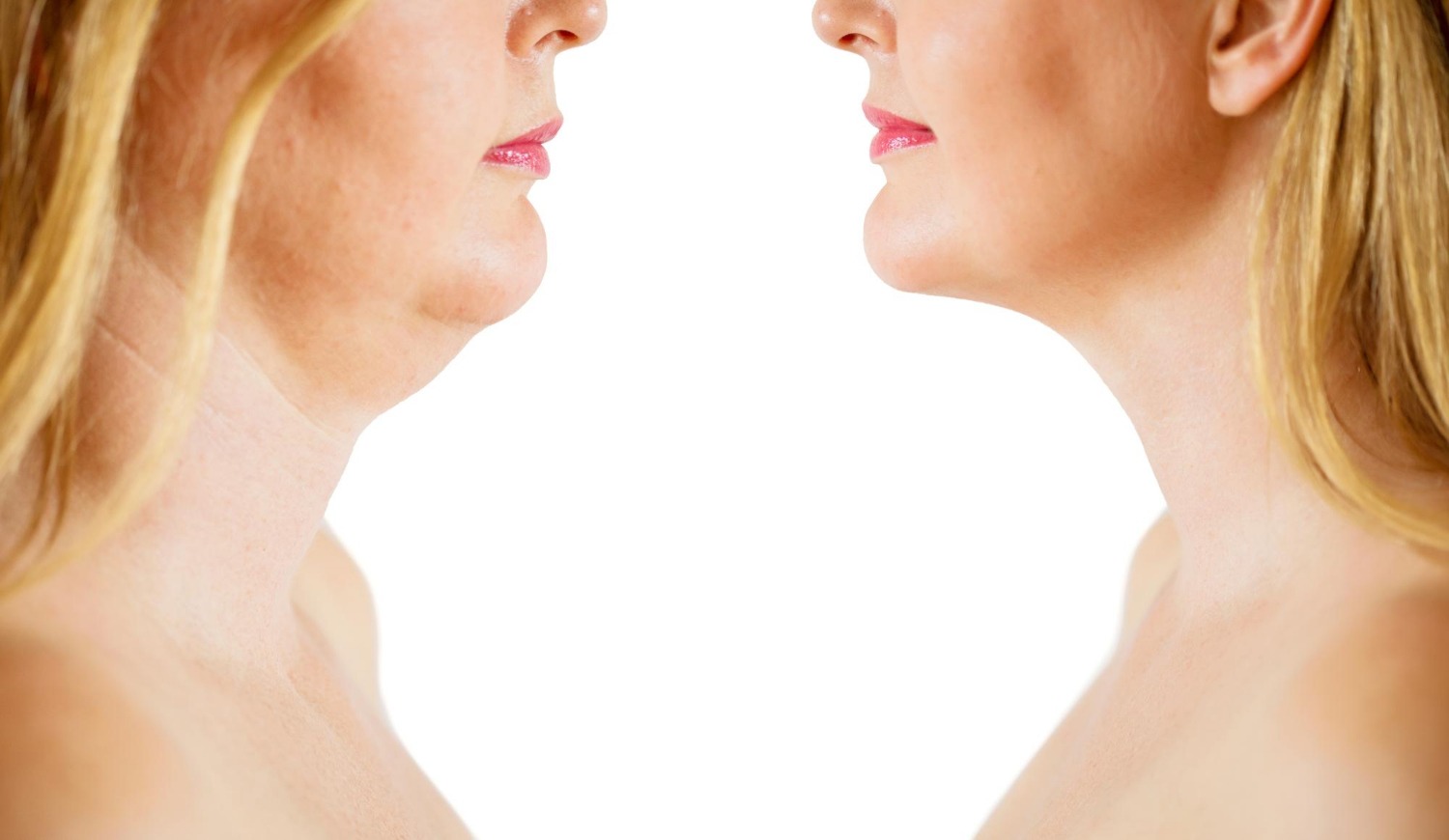
- Face and neck (jowls, double chin, submental area)
- Upper arms (often called “bat wings”)
- Inner thighs
- Abdomen and flanks
- Knees and décolletage
- Under-eye hollows and periorbital area
The ability to treat delicate facial and neck areas safely is one of Endolift’s most significant advantages over more aggressive surgical options.
What Is Liposuction?
Liposuction is a well-established surgical procedure that physically removes fat from the body using a suction device called a cannula. It is one of the most commonly performed cosmetic surgeries in the world and is capable of removing larger volumes of fat than any non-surgical or minimally invasive alternative.
Traditional Liposuction
Traditional (tumescent) liposuction involves:
- Injecting a tumescent solution into the target area to numb tissue, constrict blood vessels, and swell the fat cells for easier removal.
- Inserting a cannula through small incisions.
- Using suction to physically extract fat cells from beneath the skin.
Traditional liposuction requires local or general anesthesia, carries a longer recovery period, and is best suited for patients who need significant volume reduction in larger body areas such as the abdomen, thighs, and flanks.
What Is Laser Liposuction?
Laser liposuction (such as SmartLipo or laser-assisted liposuction) builds on traditional liposuction by incorporating laser energy before the fat is removed. The laser liquefies fat cells, making them easier to suction out, while simultaneously delivering some degree of skin tightening through thermal stimulation.
Laser liposuction is still a surgical procedure — it still involves cannulas, suction, incisions, and anesthesia — but it generally offers:
- More skin tightening compared to traditional liposuction
- Smoother results due to liquefied fat being easier to remove evenly
- Some reduction in bruising and downtime compared to traditional methods
Despite these advantages, laser liposuction remains a surgical intervention with associated risks, downtime, and recovery requirements.
Endolift vs. Liposuction: Key Differences
| Feature | Endolift | Laser Liposuction |
|---|---|---|
| Procedure type | Minimally invasive | Surgical |
| Anesthesia | Local (topical or injected) | Local or general |
| Incision size | Micro-entry point (~1 mm) | Small incisions (cannula entry) |
| Stitches required | No | Sometimes |
| Fat removal volume | Mild to moderate | Moderate to large |
| Skin tightening | Significant (primary benefit) | Moderate |
| Collagen stimulation | Yes (progressive) | Minimal |
| Downtime | 24–48 hours | 1–2 weeks |
| Recovery | Minimal | Bruising, swelling, garments |
| Face & neck treatment | Yes (safe for delicate areas) | Limited |
| General anesthesia risk | None | Possible |
| Results timeline | Progressive over 3–6 months | Immediate (swelling reduces) |
| Best for | Skin laxity + mild fat | Larger fat deposits |
When Is Endolift Preferred Over Laser Liposuction?
While laser liposuction excels at removing significant volumes of fat, there are several scenarios where Endolift is the superior — or only appropriate — choice.
1. When Skin Laxity Is the Primary Concern
Endolift’s most powerful benefit is skin tightening. If a patient has mild to moderate skin laxity — loose or crepey skin on the neck, jowls, arms, or abdomen — without an excessive amount of fat, Endolift addresses the root concern directly. Laser liposuction removes fat but provides only limited tightening, which can actually worsen the appearance of skin laxity when large volumes of fat are removed without adequate tissue contraction.
2. When Treating the Face, Neck, or Delicate Areas
Laser liposuction is generally not appropriate for the face and neck. The cannula size, depth of penetration, and surgical nature of liposuction make it difficult to use safely in these anatomically complex, delicate areas. Endolift, with its ultra-fine 1 mm optical fiber and superficial plane of treatment, is specifically designed for these zones. It is one of very few energy-based devices capable of treating the submental region, jowls, periorbital area, and décolletage effectively.
3. When the Patient Wants to Avoid Surgery
Many patients — particularly those in their 30s, 40s, and 50s who are beginning to notice the first signs of aging or localized fat — are not ready for surgery and do not want general anesthesia, surgical incisions, compression garments, or weeks of downtime. Endolift is performed under local anesthesia, requires no stitches, and most patients return to normal activity within 24 to 48 hours. This makes it an ideal entry point for patients who want meaningful, lasting results without committing to a surgical procedure.
4. When the Patient Has Low-to-Moderate Fat Volume
Liposuction is engineered to move volume — it is most effective when a meaningful quantity of fat needs to be removed. When a patient’s concern is a localized, relatively small deposit of fat — such as a subtle double chin, mild jowling, or soft inner thigh fat — the aggressive nature of liposuction may be disproportionate to the problem. Endolift achieves precise, controlled results in these smaller target areas without the risks associated with surgical fat extraction.
5. When the Patient Has Had Previous Liposuction
Patients who have previously undergone liposuction and are experiencing skin irregularities, mild laxity, or residual soft tissue concerns are often not good candidates for repeat liposuction. Re-entry with a cannula in previously treated areas carries a higher risk of contour irregularity and fibrosis. Endolift, working in the superficial subdermal plane with laser energy, can address residual skin laxity and refine contours without the risks of repeat surgical fat removal.
6. When Collagen Stimulation Is a Goal
Unlike liposuction — which simply removes fat — Endolift actively stimulates the body’s own collagen and elastin production. This results in progressive, natural-looking improvement that continues over three to six months post-treatment. For patients who want results that look natural and improve over time (rather than immediate surgical changes), Endolift’s mechanism of action aligns better with their goals.
7. When the Patient Has Medical Considerations That Preclude Surgery
Patients with certain cardiovascular conditions, clotting disorders, or other contraindications to general anesthesia or surgery may not be candidates for liposuction. Endolift, performed under local anesthesia with minimal physiological stress, may be safely performed in many patients who are not surgical candidates, subject to evaluation by a qualified practitioner.
Who Is the Ideal Candidate for Endolift?
The ideal Endolift candidate is someone who:
- Is at or near their ideal body weight with localized fat deposits
- Has mild to moderate skin laxity
- Is interested in facial or neck rejuvenation
- Wants to avoid surgery, general anesthesia, and extended downtime
- Is looking for a progressive, natural-looking improvement
- Is in good general health
Endolift is not a weight-loss procedure and is not recommended for patients with significant obesity or those requiring removal of large fat volumes.
Who Is the Ideal Candidate for Liposuction?
Liposuction — including laser liposuction — is best suited for patients who:
- Have larger, well-defined fat deposits that have not responded to diet and exercise
- Have good skin elasticity (especially for traditional liposuction)
- Are at a stable, healthy weight
- Do not smoke and are generally healthy enough for surgery
- Are prepared for the recovery process, including compression garments and activity restrictions
What Results Can You Expect?
Endolift Results
Endolift results are progressive. Patients typically notice initial improvement within four to six weeks as swelling resolves, followed by continued skin tightening and contouring over three to six months as new collagen matures. Results are long-lasting — particularly when the patient maintains a stable weight and healthy lifestyle — and can be extended with maintenance treatments.
Liposuction Results
Liposuction results are more immediately visible once post-procedural swelling subsides (typically over four to twelve weeks). Because fat cells are physically removed, the results are permanent as long as the patient does not experience significant weight gain. However, liposuction does not prevent new fat accumulation in untreated areas.
Safety and Side Effects
Endolift Safety Profile
Endolift has a strong safety record when performed by a trained and experienced practitioner. Because the fiber works in the superficial subdermal plane, the risk of deeper structural damage is low. Common side effects include:
- Mild swelling and redness
- Tenderness at the treatment site
- Small bruising around micro-entry points
Serious complications are rare but can include burns or contour irregularities if the procedure is performed by an untrained provider.
Liposuction Safety Profile
Liposuction carries more significant risks due to its surgical nature, including:
- Bruising, swelling, and pain during recovery
- Seroma (fluid accumulation)
- Contour irregularities or asymmetry
- Infection
- Anesthesia-related risks
- Numbness or changes in skin sensation
- In rare cases, deep vein thrombosis or fat embolism
Choosing a board-certified plastic surgeon with extensive liposuction experience is essential for minimizing these risks.
Cost Comparison
The cost of either procedure varies significantly based on geographic location, the practitioner’s expertise, and the number of areas being treated.
- Endolift typically costs less per session than surgical liposuction, and some patients may benefit from multiple sessions depending on their goals.
- Laser liposuction involves higher upfront costs due to operating room fees, anesthesia, surgical time, and post-operative care.
While liposuction may represent a larger investment, it typically achieves more dramatic fat reduction in a single session. Endolift, while potentially requiring follow-up sessions, may be more accessible and appropriate for patients seeking moderate results without surgical intervention.
Always consult with a qualified practitioner who can provide a personalized cost estimate based on your specific needs.
Frequently Asked Questions
Is Endolift painful? Most patients report minimal discomfort during Endolift, as the treatment area is numbed with local anesthetic before the procedure. A mild warming or pressure sensation is common. Post-treatment soreness is typically mild and resolves within a few days.
How long does an Endolift procedure take? Depending on the number of areas treated, Endolift typically takes between 30 minutes and 90 minutes.
Can Endolift replace a facelift? Endolift is not a replacement for a surgical facelift in patients with significant skin excess or deep structural changes. However, for patients with early or moderate signs of facial aging, Endolift can deliver meaningful improvement and delay the need for surgery.
How many Endolift sessions are needed? Many patients achieve their goals in a single session. Some patients with more extensive laxity or multiple treatment areas may benefit from a second session six to twelve months later.
Is liposuction permanent? The fat cells removed during liposuction do not return. However, remaining fat cells in treated and untreated areas can still enlarge with weight gain, so maintaining results requires a stable weight and healthy lifestyle.
Conclusion: Choosing Between Endolift and Liposuction
Both Endolift and liposuction are effective body and facial contouring treatments — but they serve different patients with different goals.
Choose Endolift if you are primarily concerned with skin laxity, want to treat delicate areas like the face and neck, prefer to avoid surgery, or are addressing mild to moderate fat deposits with a desire for natural, progressive results and minimal downtime.
Choose liposuction if you have larger fat deposits requiring significant volume reduction, have good skin elasticity, and are prepared for a surgical procedure and recovery.
The best way to determine which option is right for you is to schedule a consultation with a qualified, experienced aesthetic practitioner who can assess your unique anatomy, concerns, and goals — and guide you toward the treatment most likely to deliver the results you want safely and effectively.
This article is intended for informational purposes only and does not constitute medical advice. Always consult a qualified healthcare provider before undergoing any cosmetic procedure.
Reviewed By Adeline Coleman MD