Hair Miniaturization Explained: 7 Powerful Insights Into Why Hair Strands Become Thinner Over Time Have you noticed that your ponytail feels smaller than it used to? Perhaps your hair part looks wider, your scalp is more visible under bright lighting, or your hair no longer has the same volume it had several years ago. These …
Hair Miniaturization Explained: 7 Powerful Insights Into Why Hair Strands Become Thinner Over Time
Have you noticed that your ponytail feels smaller than it used to? Perhaps your hair part looks wider, your scalp is more visible under bright lighting, or your hair no longer has the same volume it had several years ago.
These subtle changes may signal a biological process known as hair miniaturization.
Unlike sudden hair loss, hair miniaturization often develops gradually. Individual hair follicles begin producing progressively finer, shorter, and less visible strands. Over time, this can create noticeable thinning even when you aren’t experiencing excessive shedding.
Hair miniaturization is a hallmark of androgenetic alopecia, commonly called male or female pattern hair loss. However, other medical conditions, hormonal changes, and nutritional factors can contribute to overall hair thinning or occur alongside follicular miniaturization.
For many women, these changes become more noticeable during their late 30s, 40s, and 50s, particularly during perimenopause and menopause.
The encouraging news is that early diagnosis and appropriate treatment may help preserve existing hair, slow progressive thinning, and improve hair growth in suitable candidates.
At En Santé Med in McLean, Virginia, our physician-led approach to hair restoration emphasizes identifying the underlying causes of hair thinning and developing individualized strategies that may include medical evaluation, Fotona HairRestart laser therapy, platelet-rich plasma (PRP), and other appropriate treatments.
Understanding why your hair strands are becoming thinner is the first step toward protecting your hair’s long-term health.
1. What Is Hair Miniaturization?
Hair miniaturization is the gradual reduction in the size and growth capacity of individual hair follicles.
Healthy scalp follicles typically produce thick, pigmented strands known as terminal hairs. During miniaturization, susceptible follicles begin producing strands with progressively smaller diameters.
As this process continues, the hair may become shorter, finer, and less pigmented.
Eventually, affected follicles may produce extremely delicate hairs that provide very little visible scalp coverage.
This process differs from hair breakage, which occurs when an existing hair shaft becomes damaged and snaps.
Miniaturization begins within the follicle itself.
Understanding the Normal Hair Growth Cycle
Every hair follicle moves through a repeating growth cycle consisting of several phases.
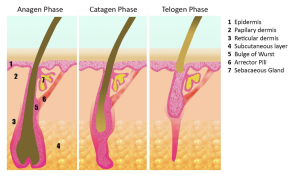
Anagen: Active Growth
The follicle produces a growing hair shaft. Scalp hairs may remain in this phase for several years.
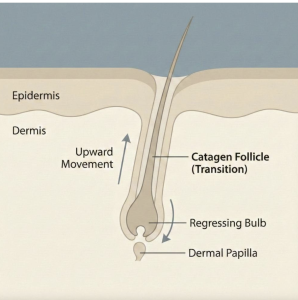
Catagen: Transition
Hair growth stops, and the lower portion of the follicle begins to shrink temporarily.
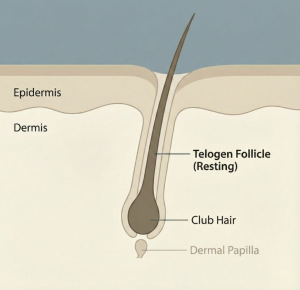
Telogen: Resting
The follicle rests before the next growth cycle. The old hair is eventually released during the shedding process.
A healthy scalp contains follicles at different stages of the growth cycle.
This natural variation explains why losing some hair every day is normal.
However, when follicles undergo miniaturization, the balance changes.
How Hair Follicles Become Smaller
In androgenetic alopecia, genetically susceptible follicles respond to biological signals that gradually alter their growth patterns.
One important change is a progressive shortening of the anagen phase.
Instead of producing long, thick hairs over several years, affected follicles may produce shorter, thinner strands during successive growth cycles.
At the same time, the structures responsible for producing the hair shaft become smaller.
As the follicle miniaturizes, its ability to create a substantial hair shaft decreases.
This explains why hair thinning can become more noticeable even without dramatic daily shedding.
A 2024 systematic review of trichoscopy findings identified variation in hair-shaft diameter and increased numbers of fine hairs as important indicators of androgenetic alopecia.
PubMed Central (PMC)+1
Terminal Hair vs. Miniaturized Hair
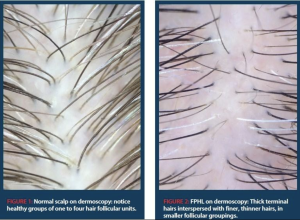
Healthy terminal hair
Relatively thick, pigmented strands provide visible coverage.
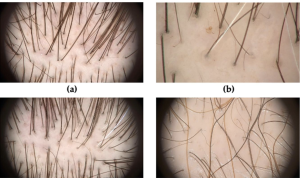
Miniaturized hair
Finer strands with variable diameters contribute less coverage.
| Feature | Terminal Hair | Miniaturized Hair |
| Diameter | Relatively thick | Progressively thinner |
| Length | Often grows long | May have reduced maximum length |
| Pigmentation | Usually well pigmented | May become less pigmented |
| Growth phase | Longer in healthy follicles | Often shortened |
| Scalp coverage | Greater | Reduced |
Images are illustrative; clinical diagnosis requires scalp examination.
Hair Miniaturization vs. Normal Hair Shedding
Hair miniaturization and excessive shedding are not the same condition.
Hair miniaturization involves a progressive reduction in the thickness of newly produced strands.
Telogen effluvium, by comparison, occurs when a larger-than-usual number of follicles enter the resting phase, leading to increased shedding.
Telogen effluvium may follow:
- Significant illness or surgery
- Childbirth
- Rapid weight loss
- Severe psychological or physical stress
- Nutritional deficiencies
- Certain medications
Hair that regrows after temporary shedding may return to its previous thickness when the underlying trigger resolves.
However, patients can experience both conditions simultaneously.
For example, a woman with early female pattern hair loss may develop telogen effluvium after rapid weight loss. The sudden shedding can reveal miniaturization that was already developing.
Identifying both processes is essential because treatment approaches may differ.
2. Seven Important Causes of Hair Miniaturization and Progressive Hair Thinning
Why do some people maintain thick hair throughout adulthood while others experience progressive thinning?
The answer involves genetics, hormone sensitivity, age, and sometimes additional medical or nutritional factors.
Not every cause of thinning produces true follicular miniaturization. Some conditions instead cause shedding or breakage, making existing miniaturization more visible.
Cause 1: Genetics and Androgenetic Alopecia
The most common cause of true progressive hair miniaturization is androgenetic alopecia.
This hereditary condition affects both men and women.
In men, it often causes recession at the temples and thinning near the crown.
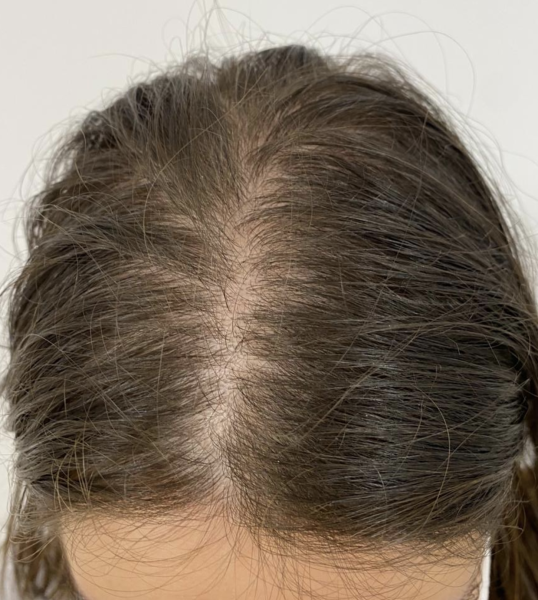
In women, it usually appears as reduced density across the central scalp, a widening part, or decreased volume around the crown.
The frontal hairline may remain relatively preserved.
Genes influence how individual follicles respond to androgen signaling and other growth-regulating mechanisms.
Importantly, hereditary hair loss can come from either side of the family.
A mother, father, grandmother, or grandfather with thinning hair may indicate genetic susceptibility, but family history alone cannot confirm or exclude the diagnosis.
Cause 2: Hormonal Changes During Perimenopause and Menopause
Many women first notice thinner hair during hormonal transitions.
During perimenopause, estrogen levels fluctuate, and menstrual cycles may become less predictable.
Following menopause, estrogen levels remain substantially lower than during reproductive years.
These hormonal changes may influence hair growth and can make underlying female pattern hair loss more noticeable.
Some women experience changes in hair texture, reduced density, or a wider central part.
However, menopause does not automatically mean a woman has elevated testosterone.
In many cases, the issue involves changes in the relative hormonal environment combined with genetically determined follicular sensitivity.
At En Santé Med, hormonal history can be an important part of evaluating hair thinning in midlife women.
Hormone therapy may be appropriate for established menopausal indications, but it is not a standard standalone treatment for androgenetic alopecia.
Cause 3: Androgen Sensitivity and DHT
Dihydrotestosterone, commonly called DHT, is an androgen formed from testosterone through the enzyme 5-alpha-reductase.
In genetically susceptible scalp follicles, androgen signaling can contribute to progressive miniaturization.
However, hair loss doesn’t necessarily indicate high circulating androgen levels.
Many women with female pattern hair loss have testosterone levels within the normal female range.
The follicles themselves may be more sensitive to androgen activity.
This distinction matters because treating laboratory numbers without establishing a diagnosis may overlook the actual mechanism of hair loss.
Women who also have irregular menstrual cycles, significant acne, or increased facial hair may require further evaluation for androgen excess or polycystic ovary syndrome.
Cause 4: Nutritional Deficiencies and Rapid Weight Loss
Hair follicles are metabolically active structures.
Producing new hair requires adequate protein, energy, iron, and other nutrients.
When nutritional intake becomes insufficient, the body may temporarily reduce investment in hair growth.
Potential contributors include low protein intake, iron deficiency, zinc deficiency, and marked calorie restriction.
Rapid weight loss can also trigger telogen effluvium.
This is particularly relevant for individuals following aggressive diets, recovering from bariatric procedures, or taking GLP-1 medications that substantially reduce appetite.
GLP-1 medications do not necessarily cause direct follicular miniaturization. Hair shedding associated with their use may instead reflect rapid weight loss, inadequate dietary intake, or other factors.
The American Academy of Dermatology recognizes insufficient protein, iron, and certain other nutrients as possible causes of hair loss.
Cause 5: Chronic Stress and Telogen Effluvium
Physical or emotional stress can disrupt the hair growth cycle.
Significant stressors may cause more follicles to enter telogen, resulting in noticeable shedding several months later.
This condition is often temporary.
However, prolonged or repeated triggering events can lead to persistent shedding.
Stress-related shedding is not the same as androgen-driven miniaturization, although the two conditions can coexist.
For example, someone with hereditary thinning may notice a dramatic change in scalp coverage after an extended illness or period of significant stress.
Treating the stress-related component may improve density, but any underlying androgenetic alopecia may still require ongoing management.
Cause 6: Scalp Inflammation and Medical Conditions
A healthy scalp provides an appropriate environment for follicular activity.
Inflammatory disorders can interfere with this environment.
Conditions such as seborrheic dermatitis, psoriasis, and certain infections may cause irritation or contribute to shedding.
More serious inflammatory disorders, including some forms of scarring alopecia, can permanently damage follicles.
Warning signs include persistent burning, tenderness, redness, scaling, pustules, or loss of visible follicular openings.
These findings require prompt dermatologic evaluation.
Other medical conditions, including thyroid disease and iron deficiency, may also contribute to hair thinning.
Identifying the correct diagnosis matters because a laser or regenerative treatment intended for pattern hair loss may not address an untreated inflammatory or systemic disorder.
Cause 7: Aging and Changes in Hair Follicle Function
Hair commonly changes with age.
Some individuals experience a gradual reduction in hair density, growth rate, or shaft diameter.
Age-related changes may involve altered signaling within follicles, reduced regenerative capacity, and changes in the surrounding tissue environment.
Nevertheless, aging alone should not be used to explain all hair loss.
A rapidly widening part, patchy loss, scalp inflammation, or unusually heavy shedding deserves evaluation regardless of age.
The key takeaway: Hair miniaturization is often multifactorial. Genetics may determine susceptibility, while hormonal transitions and other health conditions can influence when thinning becomes noticeable.
3. How to Recognize Hair Miniaturization Before Significant Hair Loss Occurs
Hair miniaturization often begins long before the scalp appears visibly thin.
Early changes may be subtle enough that patients attribute them to aging, hair products, or styling habits.
Recognizing the warning signs can support earlier diagnosis and treatment.
Seven Early Warning Signs of Hair Miniaturization
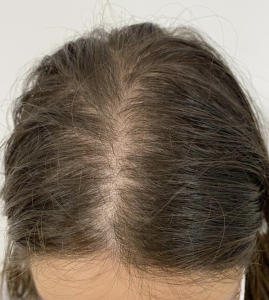
- Your hair part appears wider
More scalp becomes visible along the part, especially under bright lighting.
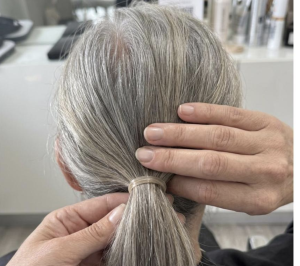
- Your ponytail feels smaller
Reduced hair density and shaft thickness can decrease overall ponytail volume.
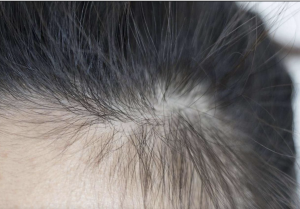
- New strands appear unusually fine
Short, wispy hairs may represent regrowth or miniaturization. Examination helps distinguish them.
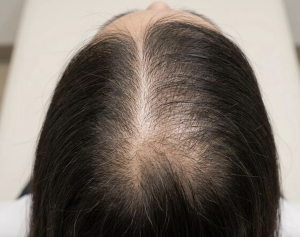
- Your crown loses volume
The upper scalp begins to look flatter or more transparent.
- Hairstyles no longer hold their shape
Your hair may look flat despite using the same styling routine.
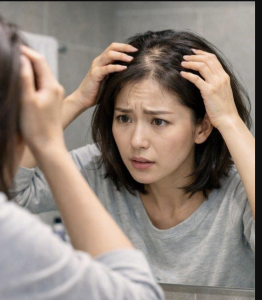
- Hair strands have different thicknesses
A mixture of thick and extremely fine hairs may indicate follicular miniaturization.
- Your scalp becomes more visible in photographs
Overhead lighting or flash photography makes reduced coverage easier to recognize.
These signs do not independently establish a diagnosis. Hair density, natural shaft diameter, styling practices, and lighting can affect appearance.
How Doctors Diagnose Hair Miniaturization
The most useful evaluation begins with a detailed history and scalp examination.
A clinician may ask when thinning started, whether the change was gradual or sudden, and whether there were relevant medical events.
Important details include family history, menstrual patterns, pregnancy, medications, weight changes, and nutritional intake.
Trichoscopy: Looking Beyond What the Eye Can See
Trichoscopy uses magnification to examine the scalp and individual hair shafts.
It can reveal differences in hair diameter, follicular openings, and other features that help distinguish forms of hair loss.
Common findings associated with androgenetic alopecia include:
- Increased variation in shaft thickness
- Greater numbers of thin, miniaturized hairs
- Reduced numbers of hairs emerging from some follicular units
- Differences between frontal and occipital scalp areas
A systematic review published in 2026 further examined how trichoscopic markers may help assess treatment response and disease severity.
Trichoscopy can also establish a useful baseline for follow-up examinations.
Hair Density and Photographic Assessment
Standardized scalp photographs help document changes over time.
For meaningful comparisons, images should use similar lighting, hair positioning, and camera angles.
When available, digital measurements of hair density and shaft diameter can provide more objective evidence of change.
This is particularly helpful because early treatment success may involve stabilization rather than dramatic regrowth.
Laboratory Evaluation for Progressive Hair Thinning
Laboratory testing should be guided by the patient’s history and examination rather than ordered indiscriminately.
Depending on clinical findings, evaluation may include:
| Test | Why It May Be Considered |
| CBC | Evaluate for anemia and certain systemic abnormalities |
| Ferritin and iron studies | Assess suspected iron deficiency |
| TSH | Screen for thyroid dysfunction |
| Vitamin D | Evaluate when deficiency is suspected |
| Vitamin B12 | Assess selected nutritional or absorption concerns |
| Zinc | Investigate suspected deficiency or dietary restriction |
| Total/free testosterone and related testing | Evaluate clinical signs of androgen excess |
| Additional endocrine tests | Investigate menstrual abnormalities or other hormonal symptoms |
Not every patient requires every test.
For women experiencing heavy menstrual bleeding, dietary restriction, significant weight loss, or symptoms of thyroid disease, targeted testing may uncover a treatable contributor.
Can Hair Miniaturization Be Reversed?
The answer depends on the underlying condition and the state of the follicles.
Early miniaturization may be partially reversible in some patients.
Treatments can sometimes increase hair-shaft diameter, improve density, and prolong growth.
However, follicles with advanced damage or long-standing inactivity may respond poorly.
Scarring alopecia may permanently destroy follicles, making regrowth impossible in affected areas.
For non-scarring hereditary hair loss, early treatment generally offers the best opportunity to preserve existing hair.
This is why it is important not to wait until thinning becomes severe before seeking an evaluation.
4. Evidence-Based Treatments for Hair Miniaturization and Hair Restoration at En Santé Med
The goal of treating hair miniaturization is not simply to reduce visible shedding.
A comprehensive strategy aims to preserve functioning follicles, address the cause of thinning, and improve hair growth when possible.
Because different mechanisms may be involved, treatment often requires more than one approach.
At En Santé Med in McLean, Virginia, a physician-led treatment philosophy emphasizes personalized assessment and thoughtful selection of non-surgical hair restoration options.
Topical Minoxidil: An Established Treatment
Topical minoxidil is one of the best-studied treatments for androgenetic alopecia.
It is FDA-approved for certain forms of hereditary hair loss in women and men.
Minoxidil can help stimulate hair growth and improve density in responding follicles.
For some patients, this means finer strands become more substantial over time.
However, treatment requires consistency.
Visible improvement commonly takes several months, with a more complete assessment often made after 6–12 months.
Some patients experience temporary increased shedding during early treatment.
Scalp irritation and unwanted facial hair growth are also possible.
The American Academy of Dermatology identifies topical minoxidil as a principal treatment for female pattern hair loss and emphasizes the importance of continued use to maintain benefits.
Women who are pregnant, planning pregnancy, or breastfeeding should avoid minoxidil unless specifically advised otherwise by an appropriate specialist.
Prescription Hair Loss Treatments
Prescription medications may be appropriate when hormonal signaling contributes to follicular miniaturization.
Options may include spironolactone for selected women and finasteride for appropriate patients.
Oral minoxidil is also sometimes prescribed off-label.
Each treatment has distinct indications, risks, and monitoring considerations.
For example, oral minoxidil can cause fluid retention, increased heart rate, and unwanted hair growth. Spironolactone may require monitoring of blood pressure, kidney function, and potassium in selected patients.
Finasteride is FDA-approved for male pattern hair loss, but not female pattern hair loss, and carries important reproductive precautions.
These treatments require individualized medical assessment.
Fotona HairRestart: Non-Surgical Laser Hair Stimulation
The Most Effective Hair Loss Solutions in Dubai
FOTONA HAIR RESTART | ProgressClinic.cz
Fotona HaiRestart: Hair Growth Treatment | Dermapure
8
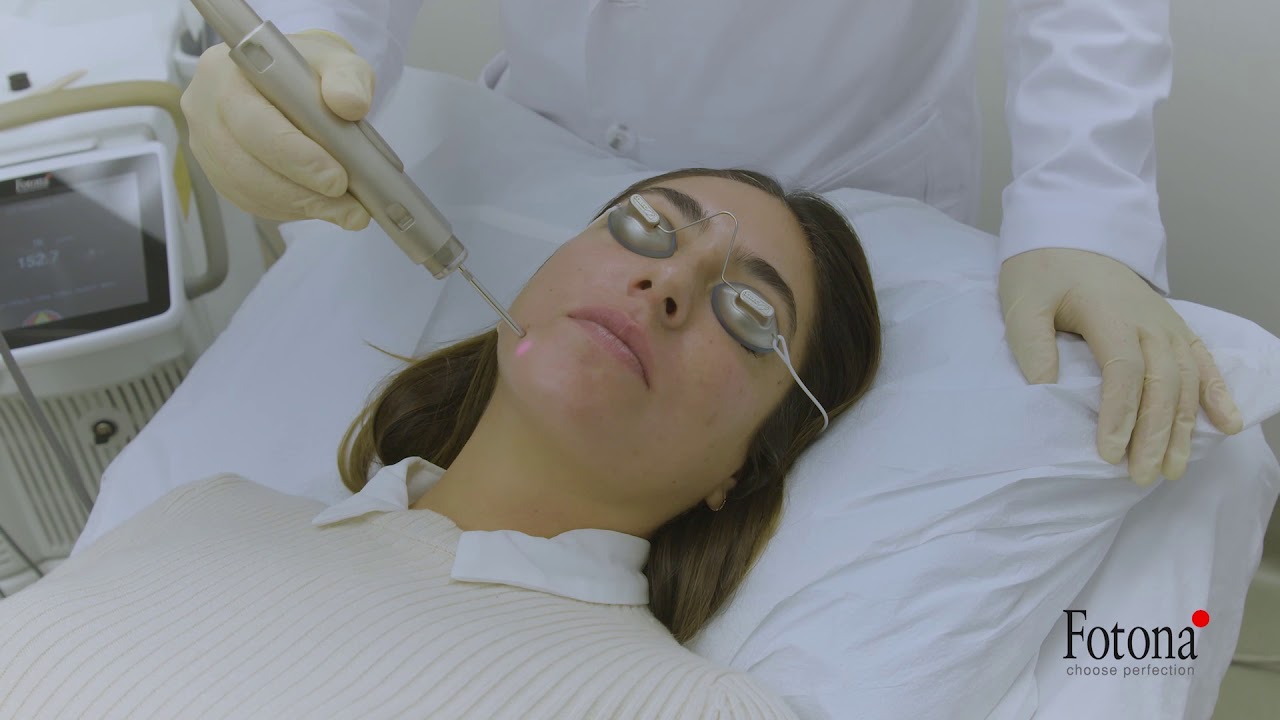
For patients interested in non-surgical hair restoration, Fotona HairRestart is a laser-based treatment approach designed to support scalp and follicular stimulation.
The treatment uses the Fotona laser platform to deliver controlled laser energy to the scalp.
The proposed mechanisms include photothermal stimulation and biological responses within the treated tissue that may influence follicular activity.
However, these mechanisms should not be interpreted as proof that every miniaturized follicle will recover.
Published evidence for specific Fotona HairRestart protocols is more limited than the evidence supporting established medications such as topical minoxidil.
It is also important to distinguish Fotona’s professional laser protocols from low-level light therapy devices. Their wavelengths, energy delivery, and treatment parameters are not interchangeable.
Low-level light therapy has shown potential benefits for certain patients with androgenetic alopecia, but evidence for one type of device cannot automatically establish the effectiveness of another.
Potential Advantages of Laser-Based Hair Stimulation
For appropriately selected patients, laser-based treatment may offer several practical benefits.
- A non-surgical treatment approach
- Limited disruption to normal activities
- No need for follicle transplantation
- Potential use alongside other appropriate hair-loss therapies
- A treatment option for patients who prefer procedural approaches
The degree of improvement varies, and some patients may experience little or no measurable regrowth.
Laser treatment is not appropriate for every cause of hair loss. Conditions involving active infection, significant inflammation, or suspected scarring alopecia require diagnosis and management before considering elective stimulation procedures.
Platelet-Rich Plasma (PRP) for Hair Restoration
Platelet-rich plasma is prepared from a patient’s own blood.
After processing, the concentrated plasma is introduced into targeted scalp areas.
PRP contains platelets that release biological signaling molecules involved in tissue repair.
Research suggests that PRP may improve hair density or thickness in some patients with androgenetic alopecia.
However, results vary because treatment methods, platelet concentrations, injection protocols, and patient characteristics differ across studies.
PRP may be considered as an adjunctive treatment rather than a guaranteed replacement for established therapies.
Potential side effects include temporary discomfort, swelling, bruising, or tenderness at injection sites.
At En Santé Med, PRP can be considered within a personalized hair-restoration plan when clinically appropriate.
Exosomes, Biosomes, and Emerging Regenerative Treatments
Regenerative medicine is an evolving area of hair restoration research.
Products described as exosomes, biosomes, or growth-factor preparations are marketed for their potential effects on cellular communication and tissue repair.
Although early research is exploring their role in hair growth, clinical evidence remains limited.
There is currently no FDA-approved exosome product for treating hair loss in the United States.
Patients should understand that investigational regenerative therapies are not equivalent to FDA-approved hair-loss medications.
Product quality, manufacturing standards, delivery methods, and regulatory status matter.
Any discussion of these technologies should clearly distinguish promising biological hypotheses from clinically established outcomes.
Nutrition and Hormonal Optimization
Hair restoration should also address the broader factors influencing hair growth.
For patients experiencing nutritional deficiencies or rapid weight loss, correcting inadequate dietary intake may be essential.
Adequate protein, iron, and overall calorie intake help support normal hair production.
However, taking additional supplements when levels are already sufficient is not proven to reverse hereditary miniaturization.
Excessive supplementation can also be harmful.
For perimenopausal and menopausal patients, evaluating symptoms and medical history may help identify other issues requiring care.
Hormone replacement therapy should be prescribed based on established indications and individual risks, not as a presumed cure for female pattern hair loss.
Comparing Hair Miniaturization Treatments
| Treatment | Main Purpose | Evidence and Considerations |
| Topical minoxidil | Improve growth and maintain density | Established treatment; ongoing use needed |
| Prescription medications | Address selected biological pathways | Evidence varies by medication and patient |
| Low-level light therapy | Support hair growth | Some supportive clinical evidence |
| Fotona HairRestart | Professional laser-based stimulation | Device-specific clinical evidence remains limited |
| PRP therapy | Adjunctive follicular stimulation | Promising but variable study results |
| Exosomes and biosomes | Investigational regenerative approach | Limited evidence; no FDA-approved hair-loss exosome product |
| Nutritional correction | Address deficiencies and shedding | Important when deficiency is present |
| Hair transplantation | Redistribute functioning follicles | Option for suitable patients with established loss |
How Long Does It Take to See Hair Restoration Results?
Hair restoration is a gradual process.
Follicles must respond to treatment, enter productive growth cycles, and produce enough hair length for changes to become visible.
An illustrative timeline for patients receiving effective treatment is:
- Month 0: Baseline Assessment
Identify the hair-loss pattern, evaluate contributing factors, and document scalp findings. - Months 1–2: Early Treatment Phase
Treatment begins. Visible improvement is often limited, and some medications may initially increase shedding. - Months 3–4: Early Response Assessment
Some patients may notice reduced shedding or early changes in density. Others need more time. - Months 5–6: Progress Evaluation
Repeat photographs or trichoscopy may help determine whether hair density or shaft diameter has improved. - Months 6–12: Longer-Term Assessment
Evaluate treatment effectiveness, adjust the plan if necessary, and establish maintenance where indicated.
The timeline is illustrative, not a promise of results or a validated Fotona HairRestart-specific schedule.
Maintenance is especially important for hereditary hair loss because underlying follicular susceptibility often persists.
Some patients require continued medical therapy or repeat procedural treatments to sustain improvements.
The best plan is one that balances effectiveness, safety, convenience, and realistic expectations.
Frequently Asked Questions About Hair Miniaturization
1. What is hair miniaturization?
Hair miniaturization is a gradual process in which hair follicles produce progressively thinner, shorter strands. It commonly occurs in androgenetic alopecia and can lead to reduced hair density and a more visible scalp.
2. Can hair miniaturization be reversed naturally?
Some hair thinning caused by nutritional deficiencies, illness, or temporary shedding may improve after the underlying problem resolves. However, hereditary follicular miniaturization usually requires targeted treatment. Diet and lifestyle improvements alone generally do not reverse established androgenetic alopecia.
3. How do I know if my hair follicles are miniaturizing?
Common clues include a widening hair part, decreased ponytail volume, increased scalp visibility, and finer strands. Trichoscopy can help identify miniaturized hairs and changes in shaft diameter.
4. Is hair miniaturization the same as female pattern hair loss?
Not exactly. Hair miniaturization is a biological process, while female pattern hair loss is a clinical condition in which miniaturization is a central feature. Other types of hair loss can occur without true progressive miniaturization.
5. Can menopause cause hair miniaturization?
Hormonal changes around menopause can contribute to changes in hair growth and may make underlying female pattern hair loss more noticeable. Genetics, androgen sensitivity, age, and other medical factors also influence risk.
6. Does DHT cause hair miniaturization in women?
DHT and androgen signaling can contribute to follicular miniaturization in genetically susceptible individuals. However, many women with female pattern hair loss have normal circulating androgen levels, and not all female hair thinning is driven by DHT.
7. Does Fotona HairRestart reverse hair miniaturization?
Fotona HairRestart is designed for non-surgical laser-based hair stimulation. It may be considered for selected patients, but robust evidence demonstrating consistent reversal of follicular miniaturization with specific Fotona protocols is limited. Treatment response cannot be guaranteed.
8. Is PRP effective for thinning hair?
PRP may improve density or thickness in some patients with androgenetic alopecia. However, outcomes vary, and there is no universally established treatment protocol. It is often considered alongside other treatments.
9. Can GLP-1 medications cause hair miniaturization?
Hair shedding may occur during significant or rapid weight loss, including in people using GLP-1 medications. This is often related to telogen effluvium rather than direct follicular miniaturization. Persistent thinning should be evaluated for underlying hereditary or medical causes.
10. Does hair miniaturization mean I will eventually go bald?
Not necessarily. The progression of androgenetic alopecia varies considerably between individuals. Early treatment may slow further thinning and help preserve existing hair.
11. How long does it take to improve miniaturized hair?
Improvement usually requires several months because hair grows slowly. With treatments such as minoxidil, clinical response is often assessed over 6–12 months. Results depend on diagnosis, follicular health, and treatment consistency.
12. Where can I seek treatment for thinning hair in McLean, Virginia?
Patients in McLean and surrounding Northern Virginia communities can inquire about hair-restoration consultations at En Santé Med. A suitable evaluation should establish the cause of thinning, identify conditions requiring dermatologic management, and determine which medical or procedural options are appropriate.
Conclusion: Early Intervention Can Make a Difference in Hair Miniaturization
Hair miniaturization is more than a cosmetic concern. It reflects changes in the biological function of individual hair follicles that can gradually reduce hair thickness, density, and scalp coverage.
Although genetics and androgen sensitivity are major causes, hormonal transitions, nutritional deficiencies, rapid weight loss, and other medical conditions may contribute to hair thinning or make existing follicular miniaturization more noticeable.
The most important step is an accurate diagnosis.
When treatment begins while follicles remain functional, there may be greater opportunity to maintain existing hair and improve growth.
Established therapies such as minoxidil remain central to evidence-based care, while laser-based and regenerative procedures may provide additional options for carefully selected patients.
At En Santé Med, we recognize that changes in hair density can affect how women feel about their appearance, confidence, and sense of wellbeing.
Our approach emphasizes individualized assessment, thoughtful treatment planning, and non-surgical options designed around each patient’s needs.
Explore Hair Restoration at En Santé Med in McLean, VA
If your hair feels thinner, your part has widened, or your ponytail has gradually lost volume, consider seeking an evaluation before thinning becomes more advanced.
En Santé Med serves patients in McLean, Tysons Corner, Great Falls, Reston, and the greater Washington, DC metropolitan area.
Ask about personalized hair-restoration options, including Fotona HairRestart and PRP, and whether they may be appropriate for your specific type of hair loss.
Early evaluation can help distinguish treatable shedding from progressive follicular miniaturization and guide a more effective long-term strategy.
Medical References and Further Reading
The following resources provide additional background on hair miniaturization, diagnosis, and treatment.
- American Academy of Dermatology — Female Pattern Hair Loss. Patient education on recognition, diagnosis, and treatment.
- American Academy of Dermatology — Hair Loss Diagnosis and Treatment. Diagnostic approaches and evidence-based treatment options.
- Trichoscopy of Androgenetic Alopecia: A Systematic Review (2024). Research on clinical markers of follicular miniaturization.
- DermNet — Trichoscopy of Generalized Non-Scarring Hair Loss. Diagnostic characteristics of common hair-loss disorders.
- Trichoscopic Markers as Predictors of Treatment Response (2026). Recent review of hair diameter and follicular assessment.
Medical editorial note: This article provides general patient education and does not substitute for individualized diagnosis or treatment. Clinical claims about Fotona HairRestart, PRP, and regenerative products should be reviewed against the clinic’s current protocols, device indications, and applicable FDA requirements before publication.