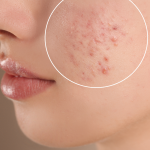
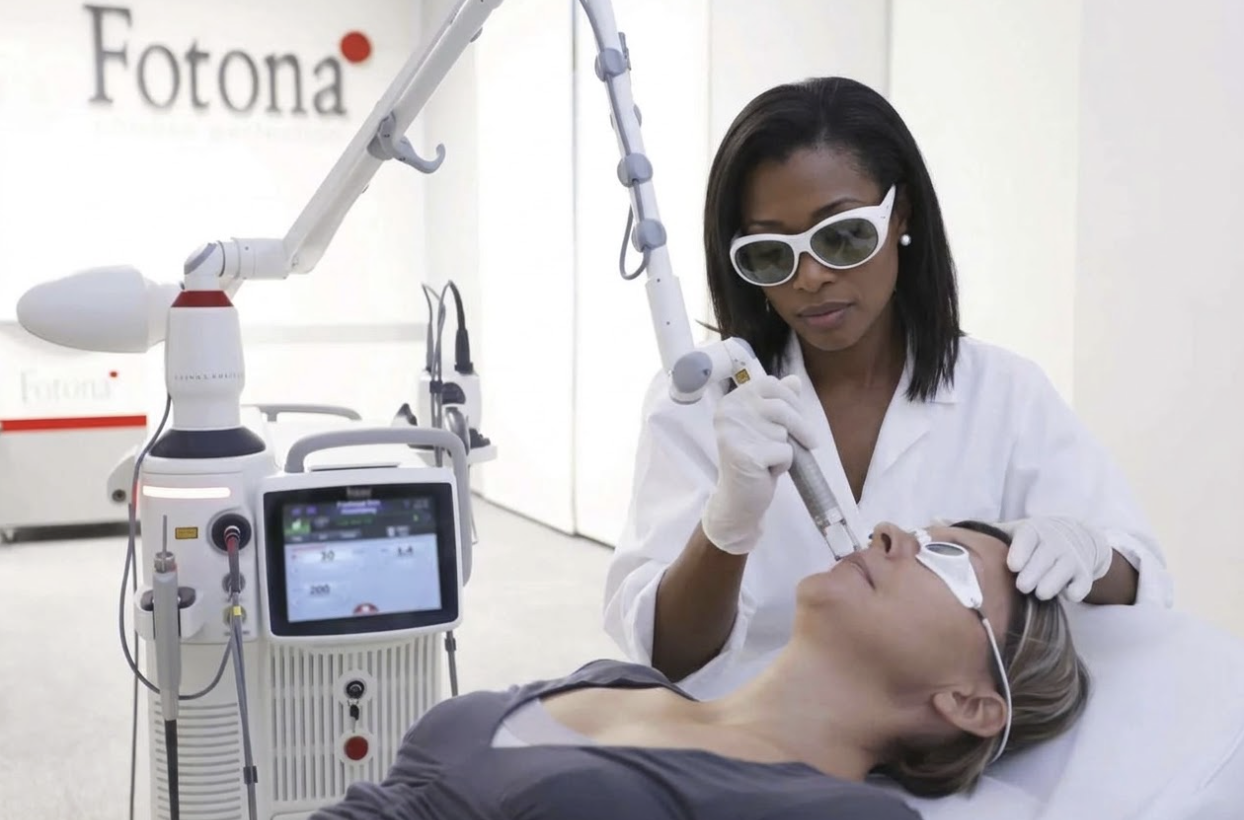
Common Side Effects After Acne Scar Treatment: 10 Essential Recovery Tips for Smoother, Healthier Skin Acne scars can affect more than your skin's appearance. They may influence how you feel about your complexion, your confidence without makeup, and even how comfortable you feel in photographs. Fortunately, advances in laser resurfacing, microneedling, and other collagen-stimulating procedures …
Common Side Effects After Acne Scar Treatment: 10 Essential Recovery Tips for Smoother, Healthier Skin
Acne scars can affect more than your skin’s appearance. They may influence how you feel about your complexion, your confidence without makeup, and even how comfortable you feel in photographs.
Fortunately, advances in laser resurfacing, microneedling, and other collagen-stimulating procedures have made it possible to improve many types of acne scars without traditional surgery.
However, understanding the side effects after acne scar treatment is just as important as choosing the procedure itself.
Redness, swelling, dryness, peeling, and temporary skin sensitivity are common reactions following certain acne scar treatments. Most are part of the normal healing process. Other complications, including infection, persistent discoloration, and scarring, are less common but require prompt recognition.
At En Santé Med, a physician-led medical aesthetics and wellness clinic serving McLean and Northern Virginia, our treatment philosophy emphasizes individualized skin assessment, thoughtful selection of laser and regenerative technologies, and realistic recovery planning.
This guide explains 10 common side effects after acne scar treatment, what causes them, how long they may last, and practical ways to support healthy skin recovery.
1. Understanding Acne Scar Treatment and the Skin Healing Process
Why Does Skin React After Acne Scar Treatment?
Many acne scar procedures work by stimulating a controlled repair response in the skin.
When acne damages deeper layers of skin, the healing process may leave behind depressed or raised scars. Treatments such as fractional laser resurfacing, microneedling, and scar-release procedures target different aspects of this altered tissue.
Some create controlled microscopic injuries. Others deliver energy beneath the skin or release fibrous attachments that pull scars downward.
These methods aim to stimulate remodeling of the skin’s support structure, including collagen and elastin.
The temporary inflammation that follows treatment is part of this biological process.
As the skin repairs itself, several changes may occur:
- Increased blood flow to the treated area
- Temporary swelling from the inflammatory response
- Renewal of damaged surface skin cells
- Gradual collagen remodeling
- Improvement in texture and scar depth over time
Importantly, temporary inflammation does not mean more inflammation is always better. Excessive tissue injury can increase complications without improving outcomes.
Different Acne Scar Treatments Produce Different Side Effects
Recovery depends on the procedure selected, treatment depth, energy settings, and your skin’s individual response.
Fractional laser resurfacing targets areas of skin to promote renewal and collagen remodeling. Ablative fractional treatments affect the surface skin and commonly involve more peeling and downtime than nonablative procedures.
Microneedling uses tiny needles to create controlled punctures. Temporary redness, swelling, and skin tightness may follow.
Radiofrequency (RF) microneedling combines needle penetration with heat delivered into tissue. Although commonly performed, it carries distinct thermal risks, including burns and tissue damage.
Chemical peels encourage exfoliation of selected skin layers. Peeling, sensitivity, and temporary discoloration may occur.
Subcision releases fibrous bands beneath depressed scars. Bruising, swelling, and temporary tenderness are common considerations.
The American Academy of Dermatology explains that different acne scar types often require different treatments, and more than one procedure may be needed. See its acne scar treatment overview.
Why Skin Type Matters
Your skin tone, tendency toward pigmentation, history of acne, and previous treatment reactions influence how you heal.
Patients with medium-to-deep skin tones, particularly those prone to post-inflammatory hyperpigmentation, may need additional precautions.
A history of melasma, eczema, cold sores, keloid scars, or delayed wound healing also deserves attention before treatment.
The goal is to achieve meaningful scar improvement while limiting unnecessary inflammation.
2. The 10 Most Common Side Effects After Acne Scar Treatment
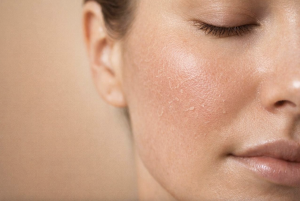
- Redness (Erythema)
Redness is one of the most frequently reported reactions after laser resurfacing and microneedling. It develops as blood flow increases during tissue repair.
Mild treatment-related redness may resolve within a few days. Deeper ablative laser procedures can cause redness lasting several weeks or longer.
Management: Use approved soothing products, avoid excessive heat, and protect the skin from sunlight. Persistent or worsening redness should be assessed.
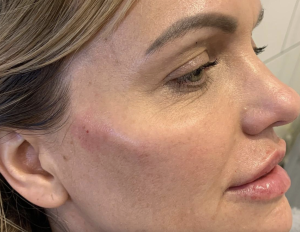
- Swelling (Edema)
Swelling occurs when fluid temporarily accumulates in treated tissue. It may be more noticeable around the eyes and cheeks.
Management: Sleep with your head slightly elevated and use cool, clean compresses only when your clinician permits them. Contact your provider if swelling suddenly increases, becomes painful, or affects vision.
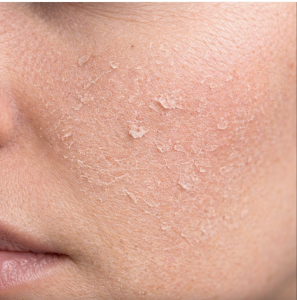
- Dryness and Peeling
Surface treatments can temporarily disrupt the skin barrier, causing tightness, flaking, or peeling.
Management: Use the cleanser and moisturizer recommended by your clinician. Avoid exfoliating brushes, scrubs, and picking at loose skin.
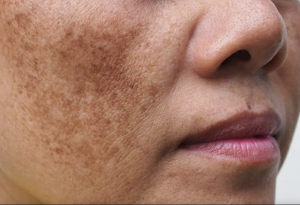
- Post-Inflammatory Hyperpigmentation (PIH)
After inflammation, some skin produces excess melanin, creating brown or gray discoloration.
PIH may appear after the initial redness fades. It can last weeks or months, sometimes longer.
Management: Practice strict sun protection and consult your provider about pigment-control treatments once the skin has healed.
- Temporary Skin Sensitivity
Your skin may sting or react to products that were previously comfortable.
This is especially common when the outer skin barrier has been disrupted.
Management: Simplify your routine. Avoid retinoids, exfoliating acids, fragrance, and other irritating ingredients until your clinician confirms they are safe to restart.
- Itching During Healing
Mild itching may occur as the skin barrier recovers. Dryness can make this sensation worse.
Management: Moisturize as instructed and avoid scratching. Severe itching, hives, or a spreading rash may indicate an allergic or irritant reaction.
- Temporary Acne Breakouts
Some patients develop small pimples after treatment, particularly when heavier skincare products are introduced or the skin becomes irritated.
Management: Avoid picking, unnecessary occlusive products, and aggressive acne treatments during the early healing period. Seek evaluation if bumps become painful, widespread, or pustular.
- Bruising
Bruising is more commonly associated with procedures such as subcision, deeper microneedling, or certain injections.
Management: Follow procedure-specific instructions. Bruises typically fade gradually, but expanding bruising or severe pain requires evaluation.
- Crusting and Temporary Darkening
Some resurfacing procedures produce tiny crusts, surface darkening, or a rough, sandpaper-like texture.
Management: Allow the skin to shed naturally. Never pull away attached crusts, as this can increase the risk of infection and scarring.
- Temporary Uneven Texture
During the first stages of recovery, the skin may appear rough, patchy, or temporarily more uneven.
Inflammation and dryness can exaggerate the appearance of existing scars before healing progresses.
Management: Avoid judging your final results during early recovery. Follow-up examinations and standardized photographs are more helpful for assessing progress.
Less Common but More Serious Complications
Although many post-treatment reactions are temporary, it is important to recognize complications that should not be treated as routine healing.
Potential complications include infection, herpes simplex reactivation, prolonged pigment changes, blistering, burns, and new scarring.
In October 2025, the FDA specifically warned about reports of serious complications with certain uses of RF microneedling, including fat loss, nerve damage, burns, and disfigurement. These risks are different from the ordinary redness and swelling associated with microneedling.
FDA+1
An experienced medical provider should explain the benefits, limitations, and possible complications of each procedure before treatment.
3. Acne Scar Treatment Recovery: What to Expect Day by Day
Recovery after acne scar treatment isn’t identical for everyone. A gentle, nonablative procedure may allow a relatively quick return to daily activities. A deeper ablative laser treatment may require a longer period of visible healing.
Acne Scar Recovery Timeline
First 24–48 hours
Initial inflammatory response
Redness, warmth, swelling, and sensitivity may be most noticeable. Follow the exact cleansing and wound-care schedule provided.
Days 3–7
Early surface recovery
For some treatments, redness begins to settle. Dryness, mild peeling, or crusting may appear. Deeper ablative treatments may still involve open or healing skin.
Weeks 2–4
Barrier recovery and skin renewal
Many patients see improvement in skin comfort, but pinkness or pigment changes can persist. Resume active skincare only after clearance.
Months 1–6+
Collagen remodeling
Changes in acne scar appearance may become more noticeable over several months. Additional sessions may be recommended.
Illustrative healing stages only. Recovery after full-field or deeper ablative resurfacing may be substantially longer.
Comparing Recovery Across Treatments
| Treatment | Common early effects | Typical visible downtime* |
| Nonablative fractional laser | Redness, mild swelling, roughness | Often 1–5 days |
| Fractional ablative laser | Redness, swelling, crusting, peeling | Often 5–14 days; redness may persist |
| Traditional microneedling | Redness, warmth, tightness | Often 1–3 days; sometimes up to a week |
| RF microneedling | Redness, swelling, tenderness | Often 1–5 days |
| Superficial chemical peel | Dryness, mild peeling | Often 1–7 days |
| Subcision | Bruising, swelling, tenderness | Often several days to 2 weeks |
*General estimates, not guaranteed recovery windows. Treatment intensity, skin characteristics, and technique can substantially change recovery time.
Why Acne Scar Improvement Takes Longer Than Surface Healing
The surface of your skin may look healed well before deeper collagen remodeling is complete.
This distinction matters because acne scars form within the dermis, the deeper layer responsible for much of the skin’s structure and support.
Collagen remodeling occurs over weeks to months. As new tissue develops and existing collagen reorganizes, some depressed scars may become less noticeable.
However, severe ice-pick scars, sharply bordered boxcar scars, and tethered rolling scars may require different approaches.
For example, a deeply tethered rolling scar may benefit more from subcision than from repeated superficial resurfacing alone.
What If My Acne Scars Look Worse Right After Treatment?
Temporary swelling, roughness, or inflammation can make the treated area look unusual.
During the initial healing period, some scars may appear less visible because surrounding tissue is swollen. Once swelling resolves, the scars can appear more noticeable again.
This does not necessarily mean the treatment failed.
Conversely, increasing pain, progressive discoloration, new depressed areas, or persistent changes should not automatically be attributed to normal collagen remodeling.
Contact your medical provider if the appearance or symptoms concern you.
4. Expert Aftercare: 10 Ways to Minimize Side Effects After Acne Scar Treatment
Thoughtful aftercare can help improve comfort, protect the skin barrier, and reduce avoidable complications.
1. Keep the Skin Clean Without Overwashing
Use a mild, non-exfoliating cleanser when your provider says cleansing can begin.
Lukewarm water is generally more comfortable than hot water.
Avoid washcloth friction, facial brushes, and vigorous scrubbing.
Following certain ablative laser procedures, your clinician may prescribe a specific cleansing or soaking protocol rather than a standard facial cleanser.
2. Moisturize to Support Barrier Repair
Hydration supports the skin barrier during recovery.
Depending on the procedure, your clinician may recommend a gentle moisturizer, bland barrier cream, or occlusive healing ointment.
These products are not interchangeable for every treatment.
A heavier ointment may be appropriate after selected ablative resurfacing procedures but unnecessary after mild microneedling.
3. Protect Your Skin From Sun Exposure
Sun protection is one of the most important steps in acne scar recovery.
Ultraviolet exposure can worsen inflammation and increase the risk of post-inflammatory hyperpigmentation.
The American Academy of Dermatology recommends broad-spectrum, water-resistant SPF 30 or higher for skin after acne scar treatment, along with limiting sun exposure.
American Academy of Dermatology+1
For intact or healed skin, consider a fragrance-free broad-spectrum sunscreen. Tinted formulations containing iron oxides may be useful for people prone to pigmentation because they can provide additional protection against visible light.
However, avoid applying ordinary sunscreen directly to raw or incompletely healed skin unless your treating clinician instructs you to do so. During that phase, strict sun avoidance and physical shade are especially important.
4. Avoid Retinoids and Exfoliating Acids Temporarily
Strong active ingredients can increase discomfort when the skin barrier is vulnerable.
Common examples include:
- Tretinoin, adapalene, and retinol
- Glycolic acid and lactic acid
- Salicylic acid
- Benzoyl peroxide
- Exfoliating scrubs and cleansing brushes
The time to restart these products depends on treatment depth and how well the skin has healed.
Avoid making the decision based solely on whether redness has disappeared.
5. Skip Makeup Until the Skin Is Ready
Makeup can irritate healing skin or introduce contamination if applied too early.
After standard microneedling, many dermatology sources recommend waiting at least 24 hours.
After deeper laser resurfacing, your clinician may recommend a longer period.
Before returning to makeup, ensure the skin is intact and use clean applicators.
6. Avoid Excessive Heat and Sweating
Intense workouts, hot yoga, saunas, and steam rooms can worsen heat-related discomfort and flushing immediately after treatment.
Sweat may also irritate freshly treated skin.
Ask your provider when to resume your usual exercise routine. A common restriction after lighter procedures is 24–48 hours, but deeper resurfacing may require a longer break.
7. Don’t Pick at Flaking Skin or Scabs
Peeling may feel uncomfortable, especially when tiny crusts develop.
However, removing attached skin prematurely can disrupt the healing surface and increase the risk of bleeding, discoloration, and scarring.
Allow the shedding process to happen naturally.
If a crust becomes unusually thick, painful, or associated with drainage, contact your treating clinician.
8. Be Cautious With New Skincare Products
Recovery is not the ideal time to test new serums, fragrances, exfoliants, or unprescribed topical treatments.
Even products marketed as gentle, natural, or regenerative may produce irritation or allergic reactions.
Some patients may benefit from clinician-selected barrier-supporting products, but these should be chosen according to the procedure and the condition of the skin.
9. Follow Medical Instructions for Prescribed Medications
Depending on your medical history and treatment, your provider may prescribe antiviral medication, a topical treatment, or other postoperative care.
Antiviral prophylaxis can be especially relevant for patients with a history of cold sores undergoing certain laser resurfacing procedures.
Use medications exactly as directed.
Do not independently begin antibiotics, corticosteroids, hydroquinone, or other prescription products because of normal-looking redness.
10. Attend Follow-Up Appointments
Follow-up care allows your provider to distinguish normal recovery from unexpected reactions.
It also offers an opportunity to review pigment changes, ongoing acne, scar appearance, and readiness for additional treatment.
At En Santé Med, our recommended approach to recovery planning centers on individualized treatment selection, clear instructions, and reassessment before more aggressive intervention.
5. Preventing Long-Term Complications: When Should You Be Concerned?
The difference between routine healing and a complication is not always obvious.
Some redness, swelling, and mild discomfort may be expected. But symptoms should generally follow a stable or improving course appropriate to the procedure.
Normal Healing Versus Warning Signs
| Expected during recovery | Contact your provider promptly |
| Mild warmth or sensitivity | Increasing or severe pain |
| Stable or decreasing swelling | Rapidly worsening or asymmetric swelling |
| Mild flaking or expected crusting | Pus, foul odor, or spreading redness |
| Temporary pinkness | New blistering, burns, or dark tissue |
| Mild itching | Spreading rash or intense itching |
| Brief, limited pinpoint bleeding after needling | Persistent bleeding or expanding bruising |
| Gradually improving skin comfort | Fever or feeling systemically unwell |
Seek emergency medical attention for breathing difficulty, significant swelling involving the airway, sudden visual changes, or other severe symptoms.
Post-Inflammatory Hyperpigmentation After Acne Scar Treatment
PIH is one of the most important concerns for patients who naturally produce more melanin or have a history of discoloration after inflammation.
The condition occurs when inflammatory signals stimulate pigment production.
The resulting patches may be brown, gray-brown, or darker than surrounding skin.
Although PIH is not the same as a new acne scar, it can be distressing and may take months to improve.
A prevention-oriented strategy includes appropriate energy settings, gradual treatment intensity, limiting sun exposure, and managing preexisting inflammation.
After the skin barrier has recovered, a clinician may recommend topical pigment treatments such as azelaic acid or other prescription therapies.
Hydroquinone may be appropriate for selected patients under medical supervision, but it should not be self-applied immediately after resurfacing.
Can Acne Scar Treatment Cause New Scars?
Yes. Although scar improvement is the purpose of treatment, inappropriate technique, excessive tissue injury, infection, or abnormal wound healing may produce new scarring.
The risk varies with the procedure, anatomical area, treatment parameters, and individual healing characteristics.
This is one reason treatment should not simply be made more aggressive in pursuit of faster results.
Special Considerations for RF Microneedling
RF microneedling differs from conventional microneedling because it introduces thermal energy.
The FDA’s 2025 safety communication identified reports of serious injuries, including burns, scarring, fat loss, and nerve damage associated with certain uses of RF microneedling.
FDA+1
Patients should discuss the device, intended treatment depth, provider training, and individual risk profile before undergoing treatment.
Patients Who May Need Additional Precautions
A more conservative treatment strategy may be appropriate for people with recent significant sun exposure, active skin infections, uncontrolled inflammatory acne, a history of poor healing, pigment disorders, or certain immune conditions.
Certain medications and previous procedures may also affect treatment timing.
Medical history, including recent isotretinoin use, should be reviewed individually rather than applying an identical waiting period to every procedure.
6. Personalized Acne Scar Treatment at En Santé Med in McLean, VA

Why Individualized Treatment Selection Matters
Acne scars vary in depth, shape, texture, and underlying tissue structure.
Rolling scars, boxcar scars, ice-pick scars, and raised scars do not respond identically to treatment.
For this reason, a single procedure is rarely the best answer for every patient.
At En Santé Med, the patient-centered approach emphasizes identifying the dominant scar type, assessing skin quality and pigmentation risk, and discussing practical recovery expectations.
A consultation may consider:
- Scar depth, distribution, and severity
- Skin phototype and history of PIH
- Active acne and inflammatory conditions
- Previous treatments and healing responses
- Desired level of improvement
- Available downtime and daily responsibilities
- Contraindications and medical history
Fotona Laser Technology and Acne Scar Revision
Fotona laser technology offers multiple treatment approaches that may be selected according to the intended tissue response.
For example, Er:YAG-based resurfacing can address selected surface irregularities, while certain nonablative laser approaches can stimulate tissue remodeling without the same degree of surface removal.
However, the specific Fotona protocol, treatment intensity, and whether the technique is appropriate for a particular acne scar must be determined during clinical assessment.
Laser wavelength alone does not establish superior safety or effectiveness.
Patients should understand the difference between light resurfacing, deeper ablative treatment, and nonablative collagen stimulation before committing to a recovery plan.
A Skin-First Approach to Recovery
For busy professionals, downtime is often a significant consideration.
A patient with a major professional engagement in three days may prefer a more conservative treatment approach than someone with two weeks available for recovery.
Similarly, a patient with a strong history of hyperpigmentation may benefit from additional preparation and pigment monitoring.
The objective is not simply to minimize visible downtime at any cost. It is to balance meaningful scar improvement, medical safety, and a manageable recovery experience.
Serving McLean and Northern Virginia
En Santé Med provides a personalized setting for patients exploring medical aesthetic treatments in McLean and surrounding communities, including Tysons Corner, Great Falls, Reston, Arlington, and the greater Washington, DC region.
A medical consultation can help clarify whether laser resurfacing, microneedling, scar-specific procedures, or combination therapy may be suitable.
The most effective strategy is one that respects both the biology of your skin and your individual treatment goals.
7. Frequently Asked Questions About Side Effects After Acne Scar Treatment
1. How long does redness last after laser acne scar treatment?
Redness may last a few days after milder nonablative treatments. With deeper or ablative laser resurfacing, redness can persist for several weeks or longer. Duration depends on treatment depth, skin sensitivity, and individual healing. Contact your provider if redness progressively worsens, becomes painful, or is associated with fever or drainage.
2. Is swelling normal after acne scar laser treatment?
Yes. Mild swelling is a common response after laser resurfacing and microneedling. It often improves within several days. More intensive treatments may cause greater or longer-lasting swelling. Rapidly worsening swelling, severe pain, or swelling that affects vision requires urgent medical assessment.
3. Can acne scar treatment cause hyperpigmentation?
Yes. Post-inflammatory hyperpigmentation can develop after laser treatments, microneedling, and chemical peels. It is particularly relevant for patients who are prone to dark marks after inflammation. Careful treatment planning, consistent photoprotection, and appropriate aftercare can help reduce the risk.
4. How long should I avoid the sun after acne scar treatment?
Sun avoidance is particularly important while the skin is healing and for several weeks afterward. The American Academy of Dermatology generally recommends limiting prolonged daytime sun exposure for approximately six to eight weeks after acne scar treatment, although individual instructions vary. Broad-spectrum SPF 30 or higher is recommended once the treated skin is ready for sunscreen.
American Academy of Dermatology
5. Can I wear makeup after microneedling or laser resurfacing?
After standard microneedling, patients are often advised to wait at least 24 hours before applying makeup. After ablative laser resurfacing, a longer waiting period may be necessary until the skin has healed sufficiently. Always follow the protocol for your specific treatment.
6. Why does my skin feel rough after acne scar treatment?
Temporary roughness may result from dryness, microscopic crusting, exfoliation, or changes in the surface skin during healing. It often improves as the outer skin barrier recovers. Avoid scrubs or exfoliating acids during the early recovery period.
7. Can acne scars look worse before they improve?
They can temporarily appear more visible because of swelling changes, dryness, inflammation, or pigment differences. However, persistent worsening, new depressions, or unusual discoloration should be evaluated. Scar improvement from collagen remodeling often takes several months.
8. What is the safest acne scar treatment for darker skin tones?
There is no single safest procedure for every person with darker skin. Microneedling and selected nonablative or carefully controlled laser treatments may offer favorable options in appropriately selected patients. Treatment parameters, pigmentation history, clinician experience, and aftercare all influence risk.
9. Is laser acne scar treatment more effective than microneedling?
Effectiveness depends on scar type, severity, laser type, and treatment parameters. Fractional ablative laser resurfacing may produce greater improvement for certain textural scars but often requires more recovery time. Microneedling may offer a less intensive option for selected patients. Some scars require subcision or other targeted techniques.
10. When should I contact my provider after acne scar treatment?
Contact your provider promptly if you develop worsening pain, spreading redness, pus, unusual blistering, new numbness, fever, or unexpected changes in skin texture. Early evaluation can help prevent a manageable complication from becoming more serious.
8. Conclusion: Successful Acne Scar Treatment Includes Proper Recovery
Understanding the side effects after acne scar treatment can help you approach skin rejuvenation with realistic expectations.
Redness, swelling, peeling, dryness, and temporary sensitivity are often manageable parts of recovery. More significant complications, including infection, persistent pigment changes, and new scarring, require professional attention.
The most important factors in a successful treatment journey include appropriate patient selection, individualized treatment settings, reliable aftercare, and follow-up.
At En Santé Med, our philosophy is to support skin restoration through careful treatment planning rather than an unnecessarily aggressive approach.
Whether you’re considering laser resurfacing, microneedling, or a combination of scar-revision treatments, a personalized consultation is an important first step toward smoother, healthier-looking skin.
Ready to explore acne scar treatment in McLean, VA?
Schedule a consultation with En Santé Med to discuss your skin concerns, available treatment options, expected recovery, and a personalized plan for long-term skin improvement.
Medical disclaimer: This article is intended for general patient education and does not replace individualized medical advice. Treatment availability, eligibility, expected outcomes, and recovery instructions must be confirmed by a qualified medical professional. Results vary.
Clinical references and editorial sources
The medical guidance in this article draws on the following professional and regulatory resources:
- American Academy of Dermatology — Acne Scar Treatment Aftercare
- American Academy of Dermatology — Microneedling and Recovery
- American Society for Dermatologic Surgery — Laser Resurfacing for Acne Scars
- FDA — RF Microneedling Safety Communication, October 15, 2025
- DermNet — Skin Needling and Post-Procedure Care