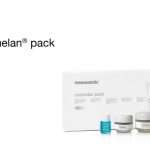
Why Hydroquinone Was Removed from Cosmelan: Safety, Regulation, and Modern Skin Science At En Sante Med Spa, patients often ask: “Why doesn’t the new Cosmelan contain hydroquinone like Cosmelan MD did?” The answer reflects a major shift in global regulation, safety standards, and long-term skin health strategy. The newer Cosmelan protocol is intentionally hydroquinone-free, and …
Why Hydroquinone Was Removed from Cosmelan: Safety, Regulation, and Modern Skin Science
At En Sante Med Spa, patients often ask:
“Why doesn’t the new Cosmelan contain hydroquinone like Cosmelan MD did?”
The answer reflects a major shift in global regulation, safety standards, and long-term skin health strategy. The newer Cosmelan protocol is intentionally hydroquinone-free, and this change is central to how the treatment is positioned today.
Regulatory and Safety Pressure on Hydroquinone
Hydroquinone (HQ), especially at higher concentrations (such as the ~8% often used in Cosmelan MD), has long been associated with several concerns:
Known Risks:
- Exogenous ochronosis (paradoxical skin darkening with prolonged use)
- Tachyphylaxis (reduced effectiveness over time)
- Chronic irritation with extended use
Regulatory Reality:
- Banned or restricted in cosmetic use across the European Union and parts of Asia
- Increasing scrutiny even in prescription settings (including the U.S.)
- Difficult to standardize globally in a single branded formulation
Implication:
Maintaining a global, standardized Cosmelan product containing hydroquinone became regulatorily complex and commercially limiting.
The Shift to a Hydroquinone-Free Cosmelan Formula
To address these issues, Mesoestetic reformulated Cosmelan into a multi-pathway depigmentation system without hydroquinone.
The New Depigmenting Complex Includes:
- Kojic acid
- Azelaic acid
- Phytic acid
- Vitamin C
- Niacinamide
- Retinol
- Melaphenone® (proprietary tyrosinase inhibitor complex)
Key Advantage:
Instead of relying on one aggressive agent, the new Cosmelan uses synergistic tyrosinase inhibition + skin renewal, creating a safer, more sustainable depigmentation pathway.
Why This Approach Is Clinically Superior for Long-Term Use
Hydroquinone is effective—but not ideal for long-term maintenance, which is essential in conditions like melasma.
Limitations of Hydroquinone in Protocols:
- Requires short treatment cycles
- Needs frequent discontinuation
- Risk of rebound pigmentation
- Not ideal for a 6-month structured program
New Cosmelan Strategy:
- Focuses on regulation, not bleaching
- Designed for continuous, controlled use
- Integrates easily with:
- Sunscreen
- Barrier repair (Melan Recovery)
- Pigment control (Melan 130)
At En Sante Med, this translates to:
- Better long-term results
- Lower relapse rates
- Safer chronic use
Hydroquinone as an Optional Add-On (Not the Base)
Rather than eliminating hydroquinone entirely from clinical practice, many advanced clinics now:
- Use Cosmelan as the core protocol (HQ-free)
- Add custom prescription hydroquinone + tretinoin when needed
Why this model works:
- Allows personalized dosing
- Enables controlled cycling
- Reduces risk of overexposure
- Keeps the main protocol safer and more standardized
This approach gives providers flexibility without compromising safety.
Global Accessibility and Compliance
By removing hydroquinone, Cosmelan becomes:
- Compliant in more countries
- Easier to distribute internationally
- More consistent across markets
This is a major reason why the new Cosmelan protocol has replaced Cosmelan MD globally.
Brand Evolution and Patient Demand
Mesoestetic has also repositioned Cosmelan as:
A “professional depigmenting method” rather than a hydroquinone-based peel
Why this matters:
- Differentiates from generic HQ treatments
- Aligns with modern cosmeceutical trends
- Appeals to patients seeking:
- “Non-hydroquinone” treatments
- Cleaner formulations
- Lower-risk options
Additional Considerations:
- Ongoing concerns about pregnancy and fertility safety
- Increasing patient awareness and preference for gentler, multi-acid approaches
Liability and Industry Shift
There is also a structural change in responsibility:
Old Model (Cosmelan MD):
- Hydroquinone included in the branded system
- Manufacturer shares more direct liability
New Model:
- Hydroquinone removed from base protocol
- Clinics prescribe it separately if needed
Result:
- Reduced manufacturer liability
- Greater clinical control at provider level
- Alignment with tightening global regulations
What Professionals Are Saying (Industry Insight)
Informal feedback from dermatologists and medical aestheticians suggests:
- Hydroquinone and retinoids were removed from the core peel base
- Clinics now customize “MD-strength” protocols externally
- Cosmelan is evolving into a modular system rather than a fixed formula
Final Takeaway: Why Hydroquinone Was Removed
The removal of hydroquinone from Cosmelan is not a downgrade—it’s a strategic upgrade.
The New Cosmelan Is:
✔ Safer for long-term use
✔ Easier to regulate globally
✔ More tolerable for patients
✔ Better suited for maintenance
✔ More customizable for providers
At En Sante Med Spa, we use this updated approach to deliver:
- Effective melasma correction
- Reduced complications
- Sustainable, long-term skin clarity
Looking for Hydroquinone-Free Melasma Treatment in Fairfax, VA?
If you’re searching for:
- “Cosmelan treatment near me”
- “Hydroquinone-free melasma treatment Fairfax VA”
- “Best hyperpigmentation treatment Northern Virginia”
En Sante Med specializes in advanced, evidence-based pigmentation correction protocols tailored to your skin.