Acne Types Explained: Hormonal, Cystic, and Comedonal Acne (Complete Treatment Guide) Adeline M Coleman MD - En Santé Clinic & Medical Spa Clear Skin Starts With Understanding Your Acne Medically reviewed · Dermatology & Medical Aesthetics · 8–10 minute read Acne is one of the most common skin conditions worldwide, affecting nearly 85% of people …
Acne Types Explained: Hormonal, Cystic, and Comedonal Acne (Complete Treatment Guide)
Adeline M Coleman MD – En Santé Clinic & Medical Spa
Clear Skin Starts With Understanding Your Acne
Medically reviewed · Dermatology & Medical Aesthetics · 8–10 minute read
Acne is one of the most common skin conditions worldwide, affecting nearly 85% of people at some point in their lives. While it is often associated with teenage years, many adults continue to experience persistent breakouts well into their 20s, 30s, and even 40s. This acne types explained article aims to simply acne and acne types for treatment clarification.
For many individuals, acne is more than a cosmetic concern. Breakouts can affect confidence, emotional well-being, and long-term skin health, particularly when severe acne leads to visible inflammation, scarring or hyperpigmentation.
The key to effective medical acne treatment is understanding that not all acne is the same. Different types of acne have different causes, and each type responds best to specific treatment strategies.
At En Santé Clinic & Medical Spa, our approach focuses on identifying the root cause of acne and developing personalized treatment plans that combine medical expertise, advanced aesthetic treatments, and proven skincare solutions.
In this comprehensive guide, we explain:
- The three main types of acne
- What causes breakouts
- The most effective treatments available
- Lifestyle changes that support clearer skin
- When professional acne treatment is necessary
What Causes Acne?
Acne develops when hair follicles (pores) become clogged with oil, dead skin cells, and bacteria. When this occurs, the pore becomes inflamed and forms a pimple, cyst, or blackhead.
Several biological factors contribute to acne formation.
Excess Oil Production
Sebaceous glands in the skin produce sebum, a natural oil that keeps skin hydrated. When these glands become overactive, excess oil can clog pores and create follicular blockage, an environment where bacteria thrive. This leads to disruption of the skin microbiome and causes inflammation.
Hormonal Fluctuations
Hormones—particularly androgen hormones such as testosterone—stimulate oil production in the skin. Hormonal changes during puberty, menstrual cycles, pregnancy, and menopause can all trigger breakouts. Adult hormonal acne treatment often requires balancing of hormones with prescription medication or lifestyle changes.
Bacteria in the Skin
A bacterium called Cutibacterium acnes (C. acnes) naturally lives on the skin. When pores become clogged, bacteria multiply rapidly and contribute to inflammation.
Dead Skin Cell Buildup
Skin constantly sheds dead cells. When these cells accumulate and mix with oil, they can block hair follicles and form comedones (blackheads and whiteheads).
Lifestyle and Environmental Factors
Certain habits can worsen acne, including:
- High-glycemic diets
- Chronic stress
- Poor skincare routines
- Heavy or pore-clogging cosmetics
- Lack of sleep
Because acne often results from multiple overlapping causes, successful treatment usually requires a multifaceted approach.
The 3 Main Types of Acne
Dermatologists classify acne into several categories, but most breakouts fall into three primary types:
- Hormonal acne
- Cystic acne
- Comedonal acne
Understanding which type affects your skin helps determine the most effective treatment strategy.
Hormonal Acne
Hormonal acne occurs when changes in hormone levels trigger excess oil production in the sebaceous glands.
Although hormonal acne is common during adolescence, it frequently affects adults—especially women.
Common Hormonal Acne Triggers
Hormonal acne may be triggered by:
- Menstrual cycle fluctuations
- Pregnancy
- Perimenopause and menopause
- Polycystic ovary syndrome (PCOS)
- Discontinuing birth control
- High stress levels
Hormonal Acne Symptoms
Hormonal acne typically appears as:
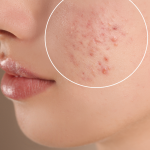
- Deep, painful pimples beneath the skin
- Cyst-like lesions
- Recurring breakouts in the same areas
- Cyclical flare-ups related to hormonal changes
- post-inflammatory hyperpigmentation
- acne scarring
Where Hormonal Acne Appears
Hormonal acne most commonly develops on the lower half of the face, including:
- Jawline
- Chin
- Lower cheeks
- Neck
The key reason why hormonal acne occurs in jawline and chin is because these areas contain hormone-sensitive oil glands that respond strongly to androgen activity. location or areas of congregation of acne is one of the easiest ways to to identify hormonal acne.
Cystic Acne
Cystic acne is the most severe form of inflammatory acne. It develops when oil, bacteria, and inflammatory cells accumulate deep within the pore, forming large cysts beneath the skin.
Unlike surface-level pimples, cystic acne forms deep in the dermis, making it more difficult to treat and more likely to leave permanent scars.
Cystic Acne Symptoms
Cystic acne often presents as:
- Large red or purple bumps
- Painful nodules under the skin
- Deep swelling and inflammation
- Breakouts that may contain fluid or pus
These lesions can remain under the skin for weeks and often recur in the same areas. often disrupting the natural skin barrier function.
Where Cystic Acne Appears
Cystic acne frequently occurs on:
- Face
- Neck
- Chest
- Upper back
- Shoulders
Because cystic acne occurs deep beneath the skin, professional medical treatment is often required to prevent long-term scarring.
Comedonal Acne
Comedonal acne is a non-inflammatory form of acne characterized by clogged pores called comedones.
Comedones develop when oil and dead skin cells accumulate inside the follicle.
Types of Comedones
There are two primary forms of comedonal acne:
Blackheads (open comedones)
These occur when a clogged pore remains open, allowing the trapped material to oxidize and turn dark.
Whiteheads (closed comedones)
When the pore remains closed, a small white bump forms beneath the surface of the skin.
Characteristics of Comedonal Acne
Comedonal acne usually includes:
- Small bumps across the skin
- Rough or uneven texture
- Minimal redness or inflammation
- Painless clogged pores
Common Locations
This type of acne often appears on the:
- Forehead
- Chin
- Nose
- Jawline
- Back
- Chest
- Shoulders
Although comedonal acne may appear mild, untreated clogged pores can eventually develop into inflammatory acne.
Effective Acne Treatments That Work
Successful acne treatment, especially in the case of hormonal acne treatment, often requires combining multiple strategies, including topical treatments, oral medications, professional procedures, and lifestyle improvements.
Topical Acne Treatments
Topical medications are often recommended as the first line of treatment for mild to moderate acne. Topical medications are especially useful in cystic acne treatment.
Retinoids
Retinoids are derivatives of vitamin A that help normalize skin cell turnover.
Benefits include:
- Unclogging pores
- Preventing new breakouts
- Reducing inflammation
- Improving skin texture
Retinoids are widely considered one of the most effective long-term acne treatments.
Benzoyl Peroxide
Benzoyl peroxide works by:
- Killing acne-causing bacteria
- Reducing inflammation
- Controlling excess oil production
It is commonly used for inflammatory acne and cystic breakouts.
Salicylic Acid
Salicylic acid is a beta-hydroxy acid (BHA) that penetrates deep into pores.
It helps:
- Dissolve oil buildup
- Exfoliate dead skin cells
- Prevent clogged pores
- Reduce redness and swelling
Oral Medications for Acne
For moderate to severe acne, doctors may recommend oral medications.
Birth Control Pills
Certain oral contraceptives help regulate hormone levels and reduce androgen activity. This can significantly improve hormonal acne in women and is often the treatment of choice for uncomplicated hormonal acne in women over 30
Spironolactone
Spironolactone is an anti-androgen medication that blocks hormone receptors responsible for stimulating oil production making it a great option for adult hormonal acne treatment.
It is frequently prescribed for adult female hormonal acne.
Lifestyle Changes That Support Clear Skin
Your daily habits can play an important role in acne prevention.
Acne-Friendly Diet
Research suggests that low-glycemic diets may help reduce acne severity.
Foods associated with acne flare-ups may include:
- Refined sugar
- White bread and processed carbohydrates
- Sugary beverages
- Some dairy products
A diet rich in whole foods, vegetables, lean proteins, and healthy fats supports overall skin health.
Stress Management
Stress increases cortisol levels, which can worsen inflammation and trigger breakouts.
Helpful stress-reducing habits include:
- Exercise
- Meditation
- Yoga
- Adequate sleep
Consistent Skincare Routine
Dermatology experts recommend maintaining a simple routine that includes:
- Gentle cleansing twice daily
- Removing makeup before bedtime
- Using non-comedogenic skincare products
- Avoiding excessive exfoliation
Professional Acne Treatments
For persistent or severe acne, professional treatments often deliver faster and longer-lasting results than over-the-counter products.
At En Santé Clinic & Medical Spa, advanced acne treatments may include:
Medical Facials
Medical-grade facials deeply cleanse pores, remove impurities, and support healthy skin renewal.
Chemical Peels
Chemical peels use specialized acids to:
- Remove dead skin cells
- Unclog pores
- Reduce inflammation
- Improve acne scars and pigmentation
Laser Acne Therapy
Laser treatments target sebaceous glands to reduce oil production while improving skin clarity and tone while stimulating collagen regeneration.
These procedures can help manage persistent acne that does not respond to topical treatments alone.
When Should You See a Skin Specialist?
You may benefit from professional evaluation if your acne:
- Is painful or cystic
- Leaves dark spots or scars
- Excessive post-inflammatory hyperpigmentation
- Does not improve with over-the-counter treatments
- Frequently returns
- Affects your confidence or emotional well-being
Early treatment can help prevent permanent skin damage and long-term scarring.
Start Your Journey Toward Clearer Skin
At En Santé Clinic & Medical Spa, our experienced team provides personalized acne treatment plans tailored to your skin type and lifestyle.
By combining medical expertise, advanced aesthetic technology, and evidence-based skincare solutions, we help patients achieve healthier, clearer skin with lasting results.
If you are struggling with persistent acne, scheduling a professional consultation can help identify the root cause of your breakouts and the most effective treatment options.
Frequently Asked Questions About Acne
What is the fastest way to treat cystic acne?
Cystic acne often requires a combination of prescription medication and professional treatments such as chemical peels, laser therapy, or oral medications. Over-the-counter products alone are usually insufficient for deep inflammatory acne.
How can I tell if my acne is hormonal?
Hormonal acne commonly appears along the jawline and chin and tends to flare cyclically, often around the menstrual cycle. A dermatologist or skincare specialist can confirm the diagnosis.
Can adults get hormonal acne?
Yes. Adult hormonal acne is very common, particularly during perimenopause, after stopping birth control, or during periods of chronic stress.
Are professional acne treatments worth it?
Professional treatments often provide faster and more effective results, especially for moderate or severe acne. They address underlying causes and help prevent long-term scarring.
What foods can trigger acne?
High-glycemic foods such as refined sugar and processed carbohydrates may increase inflammation and worsen acne for some individuals.
Medically reviewed by:
Board Certified Dermatologist
En Santé Med