
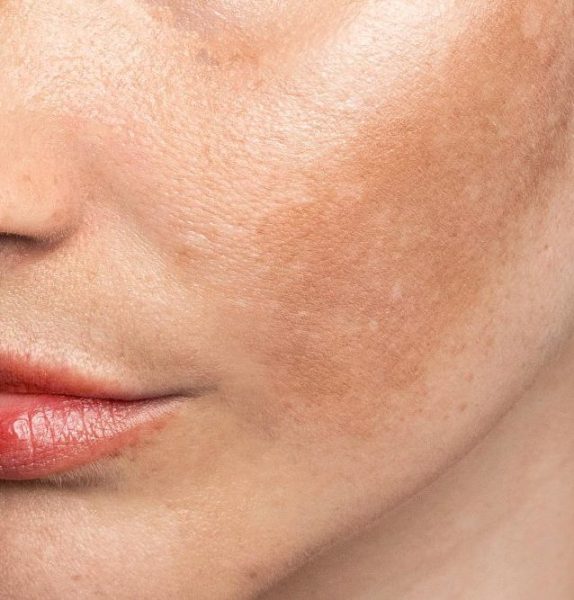
Melasma is one of the most common and challenging skin pigmentation conditions. It causes dark brown or gray-brown patches on the face, often affecting the cheeks, forehead, nose, upper lip, and chin.
Although melasma is medically harmless, it can be difficult to treat without professional guidance because multiple factors contribute to the condition, including sun exposure, hormonal changes, inflammation, and genetics.
At En Sante Med, we specialize in advanced melasma treatment using a comprehensive, medically guided approach that targets the underlying causes of pigmentation while protecting your skin’s long-term health.
If you are searching for effective melasma treatment, our customized treatment plans combine medical-grade skincare, targeted therapies, and advanced procedures to restore a clearer and more even complexion.

You may benefit from treatment if you experience:
A consultation helps determine the most appropriate treatment plan for your skin type and pigmentation depth.
Every patient at En Sante Med begins with a comprehensive skin evaluation.
During your consultation, our specialists will:
This personalized approach helps achieve the safest and most effective results.

At En Sante Med, we combine medical dermatology with advanced aesthetic treatments to effectively manage Melasma.
Melasma is a chronic skin pigmentation disorder that causes symmetrical dark patches, typically on the face.
These patches develop when melanocytes — the skin’s pigment-producing cells — become overactive and produce excess melanin.
Common areas affected include:
In some cases, melasma can also appear on the neck or forearms, especially in areas exposed to sunlight.
Melasma is sometimes referred to as the “mask of pregnancy” because hormonal changes frequently trigger it during pregnancy.
Melasma develops when several triggers stimulate pigment production in the skin. The most common causes include:
Ultraviolet (UV) radiation is one of the strongest triggers of melasma. Even minimal sun exposure can activate melanocytes and worsen pigmentation.
Melasma frequently develops due to hormonal fluctuations, particularly from:
These hormonal changes increase melanin production and can trigger pigmentation patches.
People with a family history of melasma are more likely to develop the condition.
Skin irritation, aggressive treatments, or inflammatory conditions may stimulate pigment production.
Recent research suggests that increased blood vessel activity in the skin may contribute to persistent melasma.
Because melasma can be triggered by multiple factors, the most effective treatment approach targets several pathways simultaneously.
There is no single treatment that works for every patient. The most successful melasma treatment plans combine several therapies to reduce pigment production and improve skin tone.
At En Sante Med, treatment plans may include:
Combining treatments allows clinicians to address both surface pigmentation and deeper melanin activity.
Topical therapies are typically the first step in treating melasma.
These prescription-strength treatments help regulate melanin production and accelerate skin renewal.
Common ingredients include:
Often considered the gold standard treatment for melasma, hydroquinone inhibits the enzyme responsible for melanin production.
A natural brightening agent derived from fungi that helps reduce pigmentation.
A plant-based ingredient that gently lightens dark spots.
Promotes skin cell turnover and removes pigmented cells from the skin’s surface.
Topical corticosteroids may be used short-term to reduce inflammation and enhance treatment effectiveness.
These treatments typically require several weeks to months of consistent use for visible results.
For patients with persistent or resistant melasma, oral treatments may be recommended.
Tranexamic acid has emerged as one of the most effective oral therapies for melasma.
It works by blocking pathways that stimulate pigment production and has shown promising results in reducing facial pigmentation.
Nutrients such as melatonin, lutein, and zeaxanthin may help protect skin from UV-related oxidative damage.
Oral therapy is usually used in combination with topical treatments and procedural therapies.
Chemical peels improve pigmentation by removing the outermost layers of skin containing excess pigment.
Peels commonly used for melasma include:
These treatments promote skin renewal and improve overall skin brightness.
A series of treatments is often recommended for optimal results.
Hydradermabrasion is a gentle, non-invasive treatment that exfoliates the skin while infusing nourishing serums.
Benefits include:
This treatment can be particularly effective when combined with medical-grade skincare products.
Advanced laser technology can target excess pigment within the skin.
Common laser treatments include:
Create microscopic channels in the skin that stimulate regeneration and pigment removal.
Break down melanin deposits so they can be naturally cleared by the body.
Laser therapy must be performed carefully by experienced clinicians because melasma-prone skin can be sensitive to aggressive treatments.
Multiple sessions over several months may be required for best results.
Toggle Content
Melasma is a chronic condition, meaning maintenance is important even after treatment.
The most important preventive strategies include:
Consistent sun protection is one of the most critical steps in managing melasma long term.

There is no downtime.
After treatment:
• You may return to work and normal activities immediately
• Skin may feel warm or slightly flushed for a short time
• No restrictions on exercise or skincare unless advised
Results begin immediately and continue to improve over 12 weeks as collagen rebuilds.
Melasma requires specialized care and a personalized treatment strategy.
At En Sante Med, our approach focuses on:
✔ Comprehensive skin analysis
✔ Customized treatment plans
✔ Advanced dermatologic technology
✔ Medical-grade skincare protocols
✔ Long-term pigmentation management
Our goal is not only to reduce pigmentation but to help prevent melasma from recurring.
If you are struggling with stubborn pigmentation or melasma, expert care can make a significant difference.
At En Sante Med, we provide advanced treatments designed to improve skin clarity and restore confidence.
Schedule your consultation today to begin your personalized melasma treatment plan.
The cost of Melasma varies based on:
• Number of treatment sessions needed based on severity of Melasma and overall skin condition needing to be addressed.
A detailed cost estimate is provided during your consultation after a personalized treatment plan is created.
Average cost for Melasma treatment plan is $1350 -2700 and is FSA eligible
Melasma can be significantly improved with treatment, but it may return if triggers such as sun exposure or hormonal changes are not controlled.
Results usually appear gradually over several weeks to months depending on the severity of pigmentation and the treatment plan used.
When performed by experienced professionals, laser therapy can help reduce pigmentation while maintaining skin health.
Yes. Daily sunscreen is essential for preventing melasma from worsening and for maintaining treatment results.

Begin a tailored aesthetic or wellness plan designed around your goals, guided by medical expertise and advanced technology.
Scar revision treatment near me | acne scar removal | laser skin tightening treatment | best laser face lift institute | targeted fat treatment | microneedling for scars |Endolift |Fotona Laser treatment | PRP for scars | surgical scar revision | non-surgical scar removal | advanced skin resurfacing